Home Blog Page 3

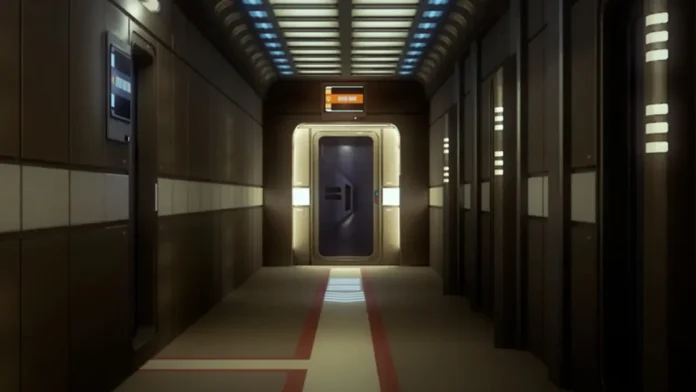
8 Things You Miss If You Ignore Star Trek: Infection

0

Star Trek: Infection released about three months ago on PC VR, and it is one of those games I probably will not end up playing. Not because it looks bad, but because VR gaming is still something I have not fully committed to. Between consoles, handhelds, and PC gaming already competing for time, VR remains the one space I have not stepped into yet in any meaningful way. It is not a rejection of the idea, more a question of where it fits in an already crowded gaming life.

Even so, this game keeps pulling at my attention. Star Trek gaming has not felt this experimental in years, and Infection sits right in the middle of that shift. It is not just another licensed release, it is part of a broader moment where the franchise feels willing to take risks again, even uncomfortable ones. That alone makes it worth talking about, even if I am only watching from the outside.

1. A Star Trek Game Willing to Take Real Risks

For a long time, Star Trek games have played it safe. Strategy titles, mobile experiences, and familiar action structures have dominated most of what we have seen. They are fine, but they rarely feel like they are trying to redefine anything about the franchise.

Infection feels like the opposite of that approach. It is not trying to be comfortable or familiar. It is leaning into discomfort, tension, and a kind of slow psychological pressure that is very different from most Star Trek games. Even without playing it, I can tell this is one of those releases that will divide fans. Some will see it as bold experimentation, others will question whether it even feels like Star Trek at all. Personally, I think the franchise needs more of this kind of risk-taking if it wants its games to stay relevant.

2. Horror Fits Star Trek More Than People Admit

At first glance, Star Trek and horror seem like they belong in different worlds. One is built on exploration and optimism, the other on fear and survival. But Star Trek has always had a darker side running underneath its surface. Episodes about isolation, malfunctioning systems, unknown entities, and psychological breakdowns are scattered throughout the franchise.

Infection takes those familiar themes and pushes them into a more direct space where fear is not just implied, but constant. Watching gameplay footage gives the impression of being trapped inside a situation where logic is no longer enough to guarantee safety. That is where horror works best, not through jump scares, but through the slow realization that control has already slipped away.

3. VR Turns Observation Into Presence

The biggest difference VR introduces is physical presence. On a normal screen, horror is something you watch unfold. In VR, it becomes something that surrounds you, reacts to you, and responds to your movements in real space. That shift changes how every moment is perceived.

Infection uses that to its advantage by placing the player directly inside environments that feel isolating and uncertain. Even without experiencing it firsthand, it is easy to understand how that level of immersion would amplify tension. It also explains why I have not played it myself. I know how I react to games like Alien Isolation on a normal screen, and I suspect VR would push that reaction to a point where it stops being enjoyable for me.

4. Star Trek Gaming Is Finally Moving Again

One of the most interesting things happening right now is not Infection on its own, but what is happening around it. Star Trek gaming has suddenly become active again in a way it has not been for years.

We are seeing colony-building games, VR experiments, horror projects, and narrative-driven ideas all emerging at roughly the same time. That kind of variety is important because it shows the franchise is no longer relying on a single formula. It is experimenting again, even if not every experiment will land perfectly.

From a distance, it feels like Star Trek gaming is waking up after a long period of quiet.

5. VR Creates a Preservation Problem That Is Easy to Ignore

The more I think about VR games like Infection, the more I return to the same concern, which is long-term preservation. VR exists in a rapidly evolving hardware ecosystem, where headsets, software compatibility, and storefronts can change quickly. That makes these games more fragile than traditional console or PC releases.

Even if the software is preserved digitally, the ability to actually experience it depends on specific hardware that may not always be available. That creates a gap between preservation in theory and preservation in practice. It is not a failure of developers, but a structural issue in how VR content is delivered.

For someone like me who values physical media and long-term access to games, that fragility stands out immediately. It makes VR feel exciting, but also temporary in a way that is hard to ignore.

6. Horror Still Hits the Same Emotional Nerve

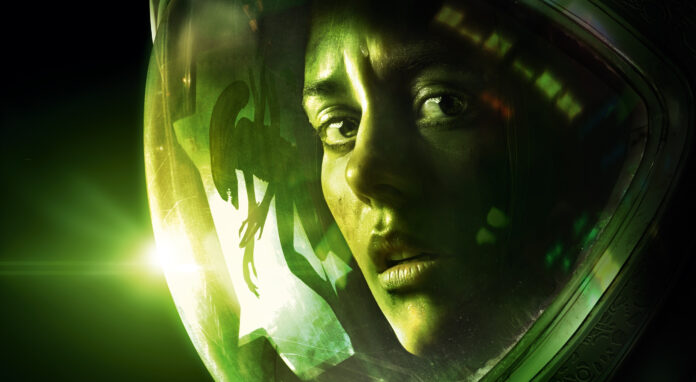
Horror games have always been part of my rotation, especially around Halloween. Alien Isolation remains one of the strongest examples of how atmosphere alone can carry an entire experience. It does not rely on constant action or overwhelming systems, it relies on silence, anticipation, and the feeling that something is always just outside your awareness.

Infection appears to be aiming for a similar emotional space, but VR intensifies that by removing the barrier between player and environment. There is no screen to remind you that you are safe. You are inside the space, reacting in real time, with no distance between you and the threat.

That is exactly what makes it interesting, and also exactly why I hesitate to play it.

7. Alien Shows How VR Horror Can Fully Commit

It is impossible to talk about sci-fi horror in VR without thinking about the Alien franchise. Recent VR entries like Alien Rogue Incursion demonstrate how naturally that universe fits into immersive horror design. The industrial environments, narrow corridors, and constant threat of unseen danger all translate cleanly into VR.

What stands out in comparison is how different the starting point is. Alien already lives in horror. Star Trek does not. That makes Infection feel more experimental by default, because it is taking a universe built on exploration, optimism, and structured problem solving, and placing it into a format that removes comfort entirely. Both approaches are valid, but they come from very different creative instincts.

8. Platform Fragmentation and the PSVR2 Gap

This is where the conversation becomes more personal. I wish Star Trek: Infection was on PSVR2. That platform feels like it is not getting the level of support it deserves, especially when it comes to more experimental or narrative-driven VR games.

For someone already invested in PlayStation, PSVR2 would be the natural entry point into something like this. But instead, the game sits entirely in PC VR space, which immediately creates another barrier. I do not want to buy into multiple VR ecosystems just to experience a handful of games. I already did something similar with console generations, and I am not eager to repeat that pattern in VR.

That is the real frustration. It is not that I do not want to play these games, it is that accessing them often means committing to hardware I am not ready to commit to. In that sense, Infection becomes less of a single game issue and more of a broader fragmentation problem across VR as a whole.

Final Thoughts

Star Trek: Infection might never be something I personally play, but I am still glad it exists. It represents a franchise that is willing to take risks again instead of staying locked into safe and familiar patterns.

More importantly, it is part of a wider moment where Star Trek gaming feels active again, with different genres, formats, and ideas happening at the same time. Even from a distance, that shift is hard to ignore.

I may never step into Infection myself, but I am paying attention to what it represents. And right now, that feels more important than whether I actually play it or not.


Game Profile

Name: Star Trek: Infection
Release Type: PC VR Release
Release Date: Approximately three months ago
Platforms: Windows PC (VR required)
Mac Support: Not available
Steam Deck Support: Not supported
Multiplayer: Single-player
Genre: Horror, Survival, Sci-fi, VR Experience
Perspective: First-person VR
Modes: Single-player
Developers: Not publicly confirmed
Publishers: Playstack
Download Size: Approximately 18–25 GB

Steam Link: Star Trek: Infection on Steam
Publisher Page: Playstack – Star Trek: Infection

NEW YORK GOES NUTS: KNICKS WIN THE TITLE AS BRUNSON DROPS 45, OG STEALS GAME 4, AND $60 SHIRTS SELL OUT IN HOURS

0

This Knicks championship didn’t arrive like a clean coronation or a scripted dynasty moment, it arrived like New York always arrives at anything it truly cares about, through noise, doubt, urgency, and a kind of emotional volatility that makes every possession feel like it might be the last chance to believe in something, and by the time the Finals opened against San Antonio, it already felt like the entire series was sitting on a fault line between eras, between expectation and history, between what the Knicks used to be and what they suddenly refused to stop becoming.

The Spurs brought the future in Victor Wembanyama, a player who looked like he had been engineered to end arguments before they started, while the Knicks brought something older and more stubborn in Jalen Brunson, a guard who had spent his entire career being underestimated and somehow turned that into fuel rather than limitation, and the tension between those two forces became the emotional core of a series that never settled into comfort, only escalation.

Game 4 and the Moment the Series Stopped Feeling Real

Game 4 became the moment the series stopped behaving like a normal Finals and started behaving like something that belonged in highlight reels and bar arguments for the next decade, because the Knicks fell behind in a way that felt almost structural, like the game itself was slipping away from them rather than being taken, and for long stretches it looked like San Antonio was about to stretch the series into something inevitable, until New York started clawing it back in fragments rather than waves, possession by possession, stop by stop, refusing to allow the scoreboard to become final in spirit even while it still existed in fact.

The final possession of Game 4 carried the entire emotional weight of the series, because Brunson’s shot missed in a way that usually ends stories like this, but instead the ball lingered in the air long enough for chaos to take over, and OG Anunoby rose into that chaos and tipped the ball into the basket with a timing that felt less like instinct and more like fate correcting itself, and the final score of Knicks 107, Spurs 106 became less important than the realization that the Knicks had crossed a psychological line they had not crossed in decades.

The $60 Shirt Madness and a City That Broke for Basketball

The city responded before Game 5 even tipped, because championship pressure in New York never stays contained to the arena, and the “Locker Room” limited edition Knicks shirt dropped at around $60 with a bling-heavy design that looked closer to a championship ring than apparel, and it sold out in hours while people flooded storefronts and online queues trying to get anything that confirmed what they were starting to believe.

Outside Dick’s Sporting Goods the midnight opening turned into a chaotic pilgrimage, with fans lining up for hours in freezing anticipation just to walk through doors that suddenly felt like entrances to history, and the energy wasn’t about shopping anymore, it was about participation in something they weren’t ready to believe was real yet but couldn’t walk away from either.

Game 5 and Brunson Turning 45 Points Into a Closing Argument

Game 5 arrived with that weight already attached to it, and San Antonio came out like a team trying to extend uncertainty rather than create dominance, but the game slowly bent toward Brunson in a way that didn’t feel sudden or theatrical, it felt cumulative, like every possession was quietly adding up to something unavoidable, while Wembanyama still imposed moments of disruption that reminded everyone why the Spurs were there in the first place, but those moments started to feel like interruptions rather than control.

Brunson’s performance in Game 5 didn’t announce itself with a single eruption, it built itself like pressure in a sealed system until it had nowhere left to go, and by the time he reached 45 points the game had already been reshaped around his rhythm, with every Spurs push met by a smaller but more precise answer, every defensive adjustment met by a counter that looked less like improvisation and more like anticipation, until the fourth quarter became a slow tightening rather than a sprint.

The final minutes of Game 5 carried the kind of tension that strips everything down to its emotional core, because nothing felt safe, not the lead, not the possessions, not even the idea that the Knicks were actually about to finish it, until Brunson continued to stabilize every moment San Antonio tried to fracture, and the closing sequence finally settled into New York’s control just long enough to produce a 94–90 Knicks victory that felt less like a final score and more like an ending that had been building for decades.

Game 5 by Quarter and How the Championship Actually Happened

The breakdown of Game 5 told its own story in quarters, with San Antonio taking the first at 28–22 through pace and early control, New York answering in the second 24–21 to pull the game back into range, the Spurs still leading at halftime 49–46 in a way that felt increasingly fragile, the Knicks flipping the series tone in the third 26–20 behind Brunson’s control of tempo and decision-making, and the fourth closing 22–21 as a pure endurance test where every stop carried championship weight.

From Ewing and Starks to Brunson: The Weight of Decades Finally Breaking

This championship lands the way it does because it connects directly to the emotional history of Knicks basketball, where Patrick Ewing and John Starks defined an era of almosts and heartbreaks that always seemed to end just short of completion, and because of that history every modern Knicks success carries extra gravity, as if the city is not just watching a team win but watching decades of frustration finally resolve into something tangible.

Brunson vs Wembanyama and Why This Felt Like a Passing of Eras

Brunson versus Wembanyama became the symbolic center of the Finals because it represented more than talent against talent, it represented control against chaos, experience against projection, and belief against inevitability, and while Wembanyama will almost certainly define his own era, this series belonged to Brunson because he controlled the moments that decided it, not through dominance in the traditional sense but through timing, precision, and refusal to let pressure dictate his decisions.

The Ending New York Waited Decades For

The final image of this championship is not just a trophy or a scoreline, it is a city that stopped treating hope as a setup for disappointment and started treating it as something that could actually be finished, and it is a Knicks team that turned an underdog narrative into a completed sentence rather than a recurring question, and it is Brunson walking through the aftermath of Game 5 as the smallest player in the most defining moments of the series, having done the one thing New York has been waiting decades to see again, which is to finally end the story instead of almost ending it.

Barcelona Breaks the Season Open: Hamilton’s Return, Antonelli’s Collapse, and the Race That Changed the Title Fight

0

Barcelona did not feel like a normal Grand Prix weekend from the moment the paddock opened, because there was a strange kind of tension that had nothing to do with weather forecasts or tire allocations and everything to do with the sense that something was already in motion before the lights even went out, as if the entire grid was waiting for a shift they could not yet see but already felt tightening around them.

Into that atmosphere came two storylines that had been building all season in completely different ways, one belonging to Lewis Hamilton, a driver whose career has already defined multiple eras of Formula 1 and who had not stood on the top step of a Grand Prix since Belgium in 2024, and the other belonging to Kimi Antonelli, the breakout force of the season who arrived in Spain carrying five consecutive victories and the kind of momentum that starts to reshape how every rival approaches a race weekend before a single lap is completed.

Where We Are in the Season and Why Barcelona Hit So Hard

The season arriving in Barcelona had already settled into a familiar but dangerous shape, where early races were defined by experimentation, mid-season races began revealing true performance gaps, and the championship narrative started narrowing toward a handful of consistent frontrunners who were separating themselves from the rest of the grid through execution rather than raw speed alone.

Antonelli had emerged as the defining force of that middle phase, stacking wins in a way that turned him from a promising rookie story into the central reference point for the entire field, while Hamilton’s season had been defined more by fragments of competitiveness that never fully aligned across a weekend until Barcelona finally delivered a complete performance at a time when the season was beginning to harden into predictable patterns.

What made Barcelona so significant was not just the result itself but the timing within the calendar, because this was the point in the season where upgrades begin to stabilize, team philosophies stop shifting week to week, and every race begins to carry amplified championship weight, which meant that both Antonelli’s streak and Hamilton’s win arrived at a moment when there is no longer room for isolated storylines that do not affect the title picture.

Hamilton’s Win That Felt Less Like a Comeback and More Like a Reset of Expectations

Hamilton’s victory in Barcelona did not arrive with chaos or surprise, because instead it unfolded with a controlled inevitability that only became visible in the final stages when the gaps behind him stopped fluctuating and instead settled into a steady pressure that would normally trigger mistakes or tire degradation under stress, yet instead produced a level of composure that reminded the entire paddock why his name has survived every regulatory era the sport has thrown at him.

The significance of this win sits far deeper than a single race result because Hamilton has been operating in a long silence since his last Grand Prix win in 2024, a stretch that has included technical resets, team evolution, and a generational turnover that has seen younger drivers step into roles that once revolved around him, which is why Barcelona did not feel like nostalgia returning but rather like a correction to a timeline that had begun to feel slightly misaligned.

What defined the race was not dominance from start to finish but timing under pressure, because in the closing stint when the gap behind him stopped growing and began to stabilize at a threatening distance, Hamilton did not accelerate into panic or shift strategy into defense mode, but instead maintained rhythm in a way that turned the final laps into a controlled lock on the race rather than a survival exercise, which is exactly the kind of execution that defines champions when raw pace alone is not enough to separate the field.

Antonelli’s Five-Win Streak That Was Built on Control and Broken by Something Invisible

Antonelli entered Barcelona not as a surprise contender anymore but as the reference point for the entire grid, because five consecutive victories had already shifted him from emerging talent into the driver everyone else was now racing against rather than reacting to, and that level of consistency created a sense that his control over race weekends had become structural rather than situational.

The streak itself had not been built on chaos or opportunistic wins, because each victory had come through structured execution where tire management, qualifying positioning, and race pace aligned in a way that removed randomness from the equation, which is why Barcelona was expected to become a continuation of that pattern rather than an interruption to it.

However, what happened during the race was not a dramatic failure in the traditional sense but a progressive loss of capability that started with subtle inconsistencies in power delivery on corner exit and developed into irregular energy deployment on straights, which initially looked like minor telemetry variation but gradually revealed a deeper issue within the hybrid system that prevented the car from consistently recovering and deploying energy at full capacity.

The Engine Failure That Was Not an Explosion but a Slow Unraveling of Performance

The official explanation from the garage described a power unit issue, but the more precise interpretation within the paddock pointed toward a likely hybrid system imbalance triggered by sustained thermal stress, which created an energy recovery inefficiency that did not shut the car down but instead prevented it from operating at full potential, turning a leading race car into a machine that could no longer fully access its own speed.

What made this failure particularly devastating was not that it ended the race outright, but that it occurred while Antonelli was still leading, because the degradation did not remove him from contention in a single moment but instead slowly eroded his advantage until lap times that once controlled the race began to drift into parity and then into loss, which created a psychological shift on track that was visible even without broadcast commentary.

The most important detail was that Antonelli did not crash, did not spin, and did not suffer a sudden mechanical shutdown, because instead he experienced the far more modern form of Formula 1 failure where systems degrade under pressure while the car continues moving, which creates the illusion of continuity while the competitive edge quietly disappears lap by lap.

Kimi Antonelli’s History That Explains Why This Streak Meant More Than Just Wins

Antonelli’s rise into this level of competition has not been gradual in the traditional sense, because he entered Formula 1 carrying expectations that usually take years to accumulate, which meant that from his earliest races every performance was already being filtered through comparisons to established champions rather than judged in isolation as part of a normal rookie development curve.

The five-win streak that preceded Barcelona mattered because it represented the first time in his career where expectation and execution aligned without visible compromise, which is why the breakdown in Spain does not erase the achievement but instead reframes it as the beginning of a different phase where consistency under adversity becomes the real measure of his trajectory.

What Barcelona exposed is that dominance in Formula 1 is rarely about peak performance alone, but about how performance holds when systems fail around it, and that is now the question Antonelli will carry forward into the rest of the season.

Hamilton’s Return to Winning That Changes the Psychological Balance of the Grid

For Hamilton, this win does not function as a return to form narrative because his career has already exceeded the point where single results define identity, which means Barcelona instead operates as a recalibration of how the grid perceives him in real time, particularly in a season where younger drivers have begun to dominate headline narratives.

The gap since his last Grand Prix win in 2024 had slowly transformed into a background storyline that followed him into every weekend, not as a direct criticism but as an unspoken benchmark that shaped commentary and expectation, which is why this victory matters less as an endpoint and more as a disruption of that silence.

What makes Hamilton uniquely dangerous in this context is that he does not require streaks to remain relevant, because his competitive presence is built on timing, race reading, and execution under pressure, which means a single well-timed win can alter how teams approach him for multiple weekends afterward.

What Barcelona Actually Changes for the Championship Fight

Barcelona does not resolve the championship picture, but it removes the illusion that it was beginning to stabilize around a single dominant trajectory, because Antonelli’s streak and Hamilton’s return now sit in direct tension rather than separate narrative lanes, which forces the rest of the grid to adjust expectations in both directions at once.

Antonelli still carries the weight of a five-win run, which cannot be dismissed as coincidence or timing, yet Hamilton’s victory reintroduces variability at the front of the field that changes how aggressively teams will now plan strategy windows and tire usage in future races.

The most important shift is psychological rather than mathematical, because Barcelona has reminded every team that control in Formula 1 is always conditional, and that even the strongest streaks can be interrupted not by faster pace but by systems that fail under pressure at exactly the wrong moment.

The Race That Didn’t Decide Anything but Changed Everything Around It

Barcelona ultimately did not decide a championship or redefine the hierarchy in a permanent way, but it did something more subtle and often more impactful in a long season, which is that it removed certainty from the top of the field and replaced it with pressure that will now carry into every remaining race weekend.

Hamilton leaves Spain with renewed presence at the front of the sport, not because he has changed who he is, but because the grid has been reminded of what he can still do when a race compresses into its final stages, while Antonelli leaves with a streak broken but not diminished, only transformed into something that now has to be defended rather than simply extended.

Formula 1 rarely changes because of one race, but it almost always changes when a race proves that the story everyone was preparing for is not as stable as it seemed, and Barcelona delivered exactly that kind of interruption at exactly the point in the season where it matters most. This is why we love Formula 1.

Zelda, Metroid, and Smash Rumors Point to Nintendo’s Next Phase

0

A new report from Wccftech, based on comments from insider Reece “Kiwi Talkz” Reilly, suggests Nintendo is preparing a familiar lineup to support its next generation of hardware. According to the rumor, projects tied to The Legend of Zelda, Metroid, and Super Smash Bros. are in development, with a rough window stretching between 2027 and 2028. As with most early reports, the details are still fluid, and not all of these titles are expected to be entirely new entries.

One important clarification from the source is that these projects could take different forms. Some may be full new releases, while others could be remasters, enhanced editions, or smaller-scale spin-offs designed to keep these franchises active between major launches. That approach would align with Nintendo’s recent strategy, which has leaned heavily on revisiting older titles while spacing out its biggest flagship releases.


A Familiar Playbook, With a Twist

Nintendo relying on Zelda, Metroid, and Smash is not surprising. These are foundational franchises that have consistently defined each hardware generation. What stands out here is the timing and potential mix of content, which suggests Nintendo may be planning a more staggered rollout rather than clustering major releases too closely together.

This kind of spacing allows Nintendo to maintain momentum without overloading any single year. It also gives room for remasters and upgrades to fill gaps between larger projects, something the company has done effectively on the original Switch. Releases like Metroid Prime Remastered and other updated classics have shown there is still strong demand for polished returns to older titles.


Not Every “New” Release Needs to Be New

If part of this lineup includes remasters or enhanced editions, that would be consistent with how Nintendo has handled its catalog over the past several years. Instead of rushing out entirely new entries, the company has often revisited existing games and given them a second life on newer hardware.

That strategy serves multiple purposes. It introduces classic games to new audiences, keeps development cycles manageable, and ensures that major franchises remain visible even when full sequels are years away. In many cases, these releases have been well received, especially when they strike the right balance between preservation and modernization.


Where This Leaves the Next Generation

If the rumor holds, Nintendo’s next system could launch into a steady pipeline rather than relying on a single breakout title. Zelda anchoring a later window, Metroid continuing its resurgence, and Smash remaining active in some form would create a consistent presence across multiple years.

At the same time, the mix of new content and revisited titles raises interesting questions about how these games will be packaged and delivered. Nintendo has historically been more consistent than most when it comes to shipping complete experiences, but modern game sizes and expectations have made that more complicated. Any adjustments behind the scenes, including how games are stored and distributed, will likely play a quiet but important role in how these releases land.


The Bigger Picture

For now, this remains a rumor, and timelines can shift quickly in game development. Still, the outline presented by Wccftech lines up with broader trends in how Nintendo has been operating. A mix of flagship releases, strategic remasters, and staggered scheduling gives the company flexibility while keeping its biggest franchises in rotation.

Whether these projects arrive exactly as described or evolve into something different, the direction is clear. Nintendo is not reinventing its playbook, but it is refining it. And if this lineup takes shape, it will likely define the early identity of its next generation just as clearly as it has in the past.

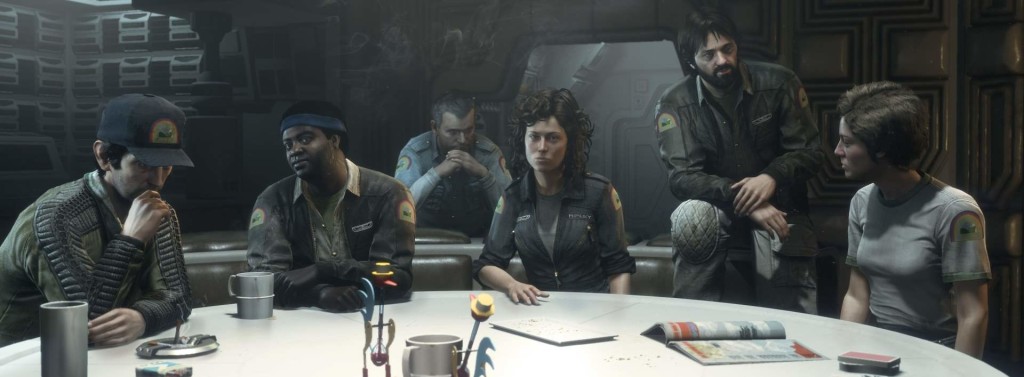
Alien: Isolation Is Still the Scariest Game I’ve Ever Played

0

Turn the Lights Off First

Alien: Isolation is not a game you simply sit down and play. It’s a game you let into the room with you.

The lights are off. The house is quiet. The big screen is glowing in front of you, and the surround sound is carrying little noises from places you can’t see. A pipe knocks somewhere behind your shoulder. A vent rattles above you. Something metallic drags across the floor far away, or maybe not far enough away, and for a second you forget you’re holding a controller.

I first played Alien: Isolation on PS4, and it also runs on PS5 through backward compatibility. I’ve played it on Switch too, which is its own kind of miracle, but this game was made for the big screen in the dark. This is the version you play when you want the room around you to disappear. Or worse, when you want the room around you to feel like part of the station.

I’ve played Dead Space. I’ve played Outlast. I’ve played Resident Evil, The Evil Within, Alan Wake, and plenty of other horror games. I love this stuff, especially around Halloween. But Alien: Isolation is the one that got under my skin in a way the others did not. It didn’t just scare me. It made me nervous to move.

Prepare to be terrified.

This Is the Original Alien Movie Brought Back to Life

What makes Alien: Isolation so special is that it understands exactly which Alien movie it is trying to be. This is not the louder, more action-heavy world of Aliens, with marines, smart guns, and big heroic last stands. This is Alien from 1979. This is cold metal, bad lighting, cigarette-stained computers, and the terrifying idea that something perfect and impossible has slipped into the machinery with you.

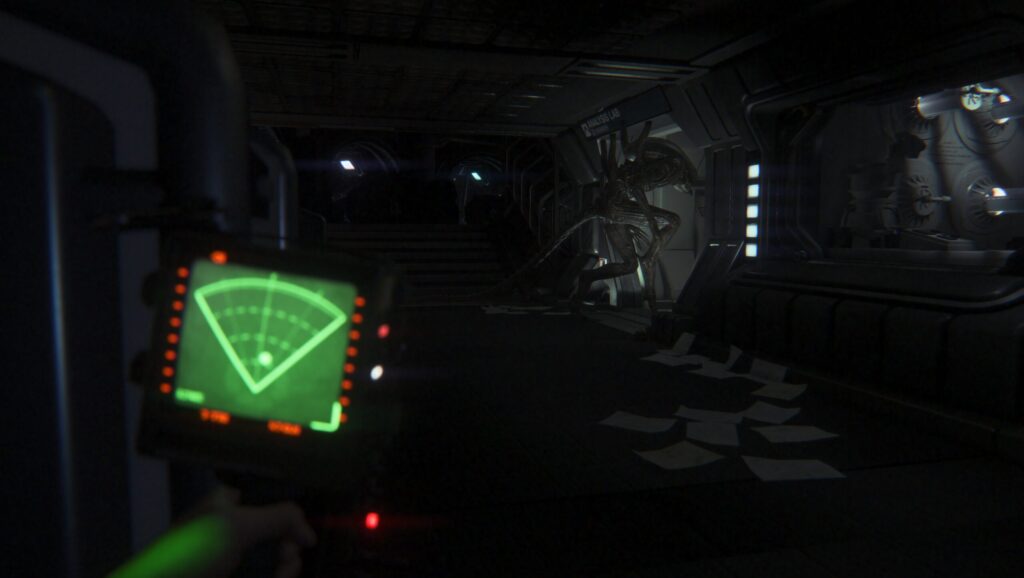
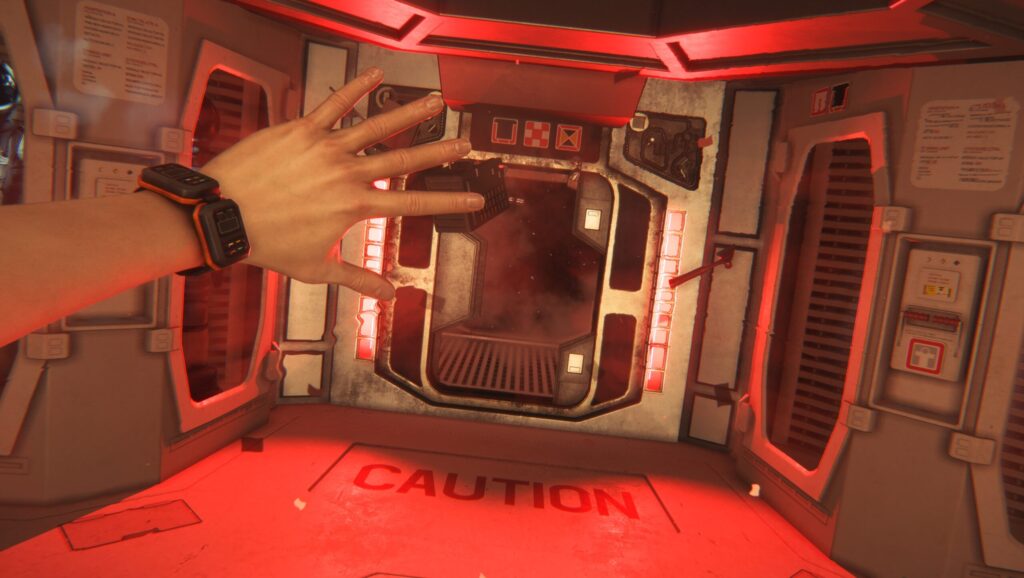
The visuals are incredible because they do not feel modern in the usual way. They feel old on purpose. Every room looks like someone built the future in the late 1970s and then never cleaned it. The computers have thick plastic frames and tiny green text. The walls are covered in panels, ducts, warning lights, and switches that look like they belong on a submarine. The station feels industrial, heavy, and exhausted. Nothing is sleek. Nothing is clean. Nothing looks safe.

That’s what makes it work. The game does not look like shiny science fiction. It looks like a place where people work long shifts, breathe recycled air, and try not to think too hard about what’s moving in the vents.

You walk through narrow corridors where the lights barely reach the floor. Steam rolls across doorways. Emergency strobes pulse against the walls. A monitor flickers in an empty room, and for half a second the reflection looks like something standing behind you. You turn too fast, because of course you do, and there is nothing there.

Wait. What was that sound?

Look at that wall over there, the one where the hallway turns left. Was there something there? You swear you saw something move just beyond the corner, not enough to know what it was, just enough for your brain to start filling in the rest. So you stop. You keep looking. The soft ringing in your ear gets louder, or maybe it’s the soundtrack, or maybe it’s the station itself winding up around you. The light flickers once. The corner is empty.

You still do not want to walk toward it.

That’s the game.

The Sound Is Where It Gets You

The sound in Alien: Isolation is not just good. It’s the reason the game works as well as it does.

This is one of the best sounding horror games ever made, and when you play it with surround sound, it becomes genuinely cruel. The music creeps in like a warning your body understands before your brain does. It does not always announce itself. Sometimes it’s just a low drone under everything, something sick and mechanical, like the station has a pulse and that pulse is getting faster.

Then there are the little sounds. Those are worse.

A loose chain somewhere in the dark. A door opening three rooms away. A hiss from the wall. A footstep, maybe. A vent cover shifting above you. The game teaches you to listen, and then it punishes you for listening too closely. You start hearing threats in everything. You freeze because a pipe expanded. You crouch because an elevator groaned. You stop breathing because the motion tracker clicked.

And then the game does the meanest thing it can do. It gets quiet.

Not silent, exactly. That would almost be easier. It leaves you with the thin hum of old machinery, the dry hiss of air moving through ducts, and that awful rising tone that feels like pressure building behind your eyes. You turn slowly. There is a hallway ahead. A red light pulses at the far end. The wall bends left. You know you need to go that way.

Then something moves at the edge of the screen.

Maybe.

You stop again. You stare. You keep staring until the ringing in your ears gets louder and the controller feels too loud in your hands. The corner is still empty, but now your mind has put something there. A shoulder. A tail. A slick black head pulling back into the dark. You didn’t see it clearly, but that almost makes it worse, because now you are walking toward a place your own brain has already haunted.

That’s Alien: Isolation at its best. It scares you with what is there, but it also scares you with what might be there.

This Is Not Dead Space, and That’s the Point

Dead Space is terrifying in a different way. I love Dead Space, but that game gives you tools. You’re scared, absolutely, but you can fight. You can cut limbs off. You can upgrade your gear. You can walk into a nightmare with a plasma cutter and at least convince yourself you have a chance.

Alien: Isolation takes that comfort away.

You’re not Isaac Clarke. You’re not a soldier. You’re Amanda Ripley, and most of the time, survival means becoming small. You hide under desks. You press yourself against walls. You crawl through vents you absolutely don’t want to crawl through because the hallway is worse. You do not feel powerful. You feel like prey.

Outlast is probably the closest comparison because of the running and hiding, but even that feels different. Outlast is panic. It’s a sprint through madness, all screaming inmates and filthy hallways and night vision terror. Alien: Isolation is slower, colder, and more personal. It does not always chase you. Sometimes it simply waits until you make a mistake.

And that mistake can be tiny.

You open a door too soon. You walk instead of crouch. You check the motion tracker at the wrong moment. You knock something over. You breathe in the wrong place, at least that’s how it feels, and suddenly the thing that was above you is no longer above you.

It’s in the room.

The Xenomorph Feels Like It Is Thinking

The Xenomorph is the reason this game still has a reputation. It is not just a monster with a route. It does not feel like a scripted haunted house prop waiting for you to step on the right floor tile. It hunts. It searches. It disappears. It comes back.

You’ll hear it before you see it. That’s somehow worse. It moves inside the walls and ceiling like the station belongs to it. The vents become a threat. Every dark corner becomes a possibility. The motion tracker becomes your best friend and your worst enemy because every beep tells you what you already know.

It’s close.

You’re crouched behind a desk. The room is dark except for a thin line of light under a door. Your hand is on the controller, but you are not pressing anything. You do not want to move. You hear the alien step into the room. Slow. Heavy. Wet. It is not running. It does not need to run.

It walks past you.

You can see its feet.

You wait for it to leave. You wait longer than you should because the game has taught you that leaving does not always mean gone. Then the tail slides into view.

It knew.

That’s the feeling Alien: Isolation creates better than almost any horror game I’ve ever played. It makes you feel observed. Not attacked. Observed. Like the creature is not just looking for you, but learning you.

I’ve never been more terrified by a video game. I’ve been startled by plenty of games. I’ve jumped at plenty of cheap scares. This is different. Alien: Isolation makes you dread the next objective marker. It makes a simple hallway feel like a dare.

The Switch Version Is Shockingly Good

I also played Alien: Isolation on Switch, and the performance is amazing for what it is. This is not one of those ports where you spend the whole time making excuses for it. It actually plays well. Once you’re in the game, creeping through the station and trying not to die, it holds up far better than you’d expect.

The fact that something this atmospheric, this detailed, and this dependent on sound and lighting works this well on Switch is still impressive. I didn’t run into major issues during regular gameplay. It’s absolutely playable, and if the Switch is your preferred way to experience games, this is one of those ports that deserves respect.

For preservationists, the biggest thing is that the entire campaign is playable offline. That matters. You can put the cartridge in and play through the full main game without needing the internet to unlock the experience later. In a world where so many physical releases are becoming half a game and a download, that’s exactly the kind of thing worth calling out.

It also includes Survivor Mode challenges, which fit the game perfectly. These are tense, focused scenarios built around the same survival pressure that makes the main campaign so stressful. If you want more after the story, or if you just want to test how long you can keep your nerves together, Survivor Mode is a nice bonus.

The one real issue I noticed was with the cutscenes. The video and audio can be choppy. It is noticeable, and it is not ideal, but it’s watchable. The important thing is that the actual gameplay performs well. Once you’re in control, hiding in lockers and staring at that motion tracker like it owes you money, the game plays the way it needs to.

The Nostromo Edition Has Extras Fans Will Love

The Nostromo Edition is worth mentioning because fans of the original movie are going to love the extras. The big one is Crew Expendable, which brings the original crew and the Nostromo back into the experience. For anyone who loves the 1979 film, that’s a very cool addition. It is the kind of bonus content that hits differently because this game already feels so connected to that movie.

One preservation note, though. The PlayStation copy I looked at includes a download code for Crew Expendable, but the code expired in 2016. So if you’re buying used, do not assume that code is still going to work. The disc is still worth owning, but it’s important to know what is actually preserved physically and what was tied to a code.

Digital Is Easy, Physical Is Better

If you just want to play Alien: Isolation, the full game is usually easy to find digitally, and it’s normally available on PlayStation with a decent PS Plus discount. That’s probably the easiest way for most people to experience it, especially if you just want to turn the lights off and ruin your evening in the best possible way.

But if you’re a preservationist, I’d look for the disc on PlayStation. And if you’re a Switch collector, the Limited Run physical release is the one to track down. The Switch version is genuinely impressive, the campaign is playable offline, and having this game preserved on a cartridge is exactly the kind of thing physical media fans should care about.

Still, if you ask me the best way to play it, I’m going PlayStation, big screen, dark room, surround sound. That’s where Alien: Isolation becomes more than a game. The visuals pull you into the world of the original movie, but the sound locks the door behind you.

You are alone on the station. The lights are failing. The tracker is beeping. Something is moving above you.

A lot of horror games want to scare you. Alien: Isolation wants to hunt you, and it does.

Why Game Rating Systems Matter — And What Every Gamer Should Know

0

Whether you’re a lifelong gamer, a parent of a younger player, or a collector chasing down rare international releases, you’ve probably seen the various rating symbols stamped on game boxes. ESRB, PEGI, CERO, USK, ACB… they may look like just more stickers at first glance, but these little badges carry a lot of weight — and understanding them can save you from buying something totally inappropriate, censored, or even unplayable in your region.

A game rating system is essentially a content guideline intended to inform buyers — especially parents — about the age-appropriateness of a video game. Think of it like the MPAA ratings for movies or the TV Parental Guidelines, but for interactive media.

So, let’s break it down: what do these game rating systems mean, how do they differ internationally, and why should you care — especially if you’re importing titles from places like Japan, UK, Germany, or Australia?

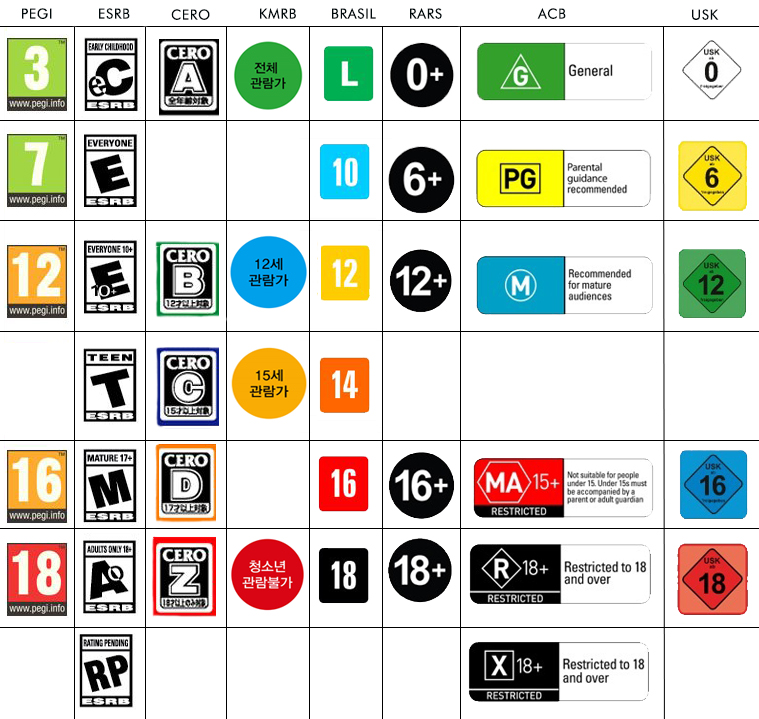
Here’s a summary of the most popular ratings you’ll see out in the wild:

See the Complete Ratings Reference Guide below.

What Game Rating Systems Are (And Aren’t)

The catch? Each region has its own board, rules, cultural sensitivities, and thresholds for what’s acceptable. That means a game rated for everyone in one country might be banned or censored in another.

Here are the most widely used game rating systems:

  • ESRB (USA & Canada)
  • PEGI (Europe)
  • CERO (Japan)
  • USK (Germany)
  • ACB (Australia)
  • GRAC (South Korea)

Each board evaluates games based on content such as violence, language, sexual themes, drug use, gambling, and more. But the thresholds vary — a lot.


Why This Matters for Global Buyers and Collectors

If you’re a collector or import gamer, you’ve likely found amazing deals on sites like PlayAsiaAmazon Japan, or even eBay listings from across the globe. But just because a game is rated “for ages 12 and up” in Europe doesn’t mean the ESRB sees it the same way.

✈️ Buying European or Japanese Releases?

Here’s where it gets interesting. The same game can carry very different ratingscontent, and even gameplay limitations depending on where it’s sold. For example:

  • The Last of Us Part II was rated M (17+) by the ESRB, but its European PEGI 18 rating includes additional warnings about sexual violence, which ESRB often omits.
  • Resident Evil 4 Remake had multiple CERO versions in Japan — the Z version (18+) is uncensored, while the D version (17+) has gore toned down or removed.
  • Call of Duty games are often modified in Germany, where the USK enforces strict rules around Nazi iconography — swastikas are removed and replaced with neutral symbols to comply with German law.

These differences aren’t just academic — they’re in the gameplay and visuals, too. Buying the wrong regional version might mean:

  • You’re getting a censored experience.
  • Certain content like blood, costumes, or cutscenes are removed.
  • The game has no English language support.
  • It may be region locked or incompatible with your DLC.

Case Study: A Real-World Rating Region Dilemma

Consider the case of Baldur’s Gate 3, the 2024 Game of the Year. On PS5, the only complete ESRB-rated version of the game on disc was included in the North American Collector’s Edition. It was highly sought-after and now sells for $250–$300+ on eBay.

You’ll also find cheaper options—usually the Japanese CERO Z version—but here’s where the trouble starts:

  • Censorship: The CERO version is toned down compared to ESRB and PEGI versions.
  • Multiplayer Limitation: If you’re playing with others, everyone must use the same regional version of the game. CERO and ESRB editions are not cross-compatible.

This is a perfect example of why global gamers need to pay attention—not just to price and packaging, but also to rating region and technical compatibility.

Great Games with Notable Regional Differences

  • Cyberpunk 2077: The Japanese release removes genital nudity and tones down violent gore, while the Western version remains uncensored.
  • Danganronpa V3: The CERO-rated version alters blood color and removes violent death animations to meet Japanese content guidelines.
  • Mortal Kombat 11: Some European versions featured minor censorship; meanwhile, it was outright banned in Indonesia and not released in Japan until heavily altered.
  • Wolfenstein II: The New Colossus: In Germany, Nazi imagery and references to Hitler are completely removed or altered — including removing his mustache and renaming the regime.

Tips for Importing Games Safely

If you’re planning to buy games internationally (and you should — the box art and packaging alone are collector-worthy!), keep these tips in mind:

✅ Do:

  • Check the region’s rating symbol to understand the game’s age and content classification.
  • Look up gameplay differences on comparison sites or YouTube.
  • Use reputable retailers like PlayAsiaAmazon JP, or VideoGamesPlus.ca.
  • Confirm language support, especially voiceovers and subtitles.
  • Buy physical versions when possible — they’re more collectible and may bypass region restrictions.

❌ Avoid:

  • Assuming that a cheaper import is exactly the same game.
  • Buying from sketchy third-party marketplaces without return policies.
  • Ignoring DLC compatibility — some digital content is region locked and won’t work across versions.

Final Thoughts: Knowledge Is Power (and Fun)

Understanding international game rating systems isn’t just about avoiding offensive content — it’s about maximizing your enjoyment, protecting younger gamers, and appreciating how different cultures view interactive media.

If you’re an enthusiast or collector, these nuances add depth to your collection. And if you’re a parent or concerned player, they empower you to make informed decisions.

So next time you see those cryptic symbols on a box from Germany, Japan, or Australia — take a moment to appreciate what they represent. And if you’re feeling adventurous, go ahead and grab that Japanese import from PlayAsia… just maybe double-check if it’s the Z version.

Complete Ratings Reference Guide

RegionSymbolDescriptionInterpretationSwitch GamesPS5 GamesXbox GamesPC Games
ESRBESRB ECEarly ChildhoodContent intended for young children with no inappropriate material.Busy ShapesSmart Girl’s Playhouse MiniMy First SongsN/AN/AABCmouseEndless AlphabetDr. Panda
ESRBESRB EEveryoneSuitable for all ages. May contain minimal cartoon violence or mild language.Mario Kart 8 DeluxeAnimal Crossing: New HorizonsSuper Mario OdysseyAstro’s PlayroomGran Turismo 7FIFA 23Forza Horizon 5GroundedLEGO Star Wars: Skywalker SagaMinecraftTerrariaStardew Valley
ESRBESRB E10+Everyone 10+Content generally suitable for ages 10 and up. May contain more cartoon violence and/or fantasy violence.Pokémon Scarlet and VioletLuigi’s Mansion 3Splatoon 3Sackboy: A Big AdventureHot Wheels UnleashedRatchet & Clank: Rift ApartMinecraft DungeonsSonic FrontiersZoo TycoonRocket LeagueLEGO WorldsSlime Rancher
ESRBESRB TTeenContent suitable for ages 13 and older. May contain violence, suggestive themes, crude humor, minimal blood, simulated gambling.Zelda: Tears of the KingdomFire Emblem EngageXenoblade Chronicles 3Hogwarts LegacyFinal Fantasy XVISpider-Man: Miles MoralesHalo InfiniteJedi: SurvivorFlight SimulatorThe Sims 4Genshin ImpactLife is Strange
ESRBESRB MMature 17+Content suitable for persons ages 17 and up. May contain intense violence, blood and gore, sexual content, and/or strong language.Doom EternalBayonetta 3The Witcher 3The Last of Us Part ICall of Duty: Modern Warfare IIResident Evil 4Red Dead Redemption 2Cyberpunk 2077Gears 5Cyberpunk 2077GTA VDead Space
ESRBESRB AOAdults Only 18+Content suitable only for adults ages 18 and up. May include prolonged scenes of intense violence, graphic sexual content and/or gambling with real currency.Not available on SwitchNot available on PS5Not available on XboxHatredLeisure Suit Larry (uncensored)Manhunt 2 (modded)
PEGIPEGI 3PEGI 3Suitable for all age groups. No sounds or pictures likely to frighten young children.Super Mario OdysseyKirby and the Forgotten LandMario Kart 8 DeluxeAstro’s PlayroomSackboy: A Big AdventureOvercooked! All You Can EatForza Horizon 4Disney Dreamlight ValleyBanjo-KazooieLEGO Builder’s JourneySlime RancherZoo Tycoon
PEGIPEGI 7PEGI 7Some scenes or sounds may be frightening to young children. Contains very mild forms of violence.Captain Toad: Treasure TrackerNew Super Mario Bros. U DeluxePokémon Let’s Go PikachuBugsnaxLEGO Star Wars: The Skywalker SagaKnackBanjo-TooieYooka-LayleeDisney Infinity 3.0FezSlime Rancher 2Grow Home
PEGIPEGI 12PEGI 12May include slightly more graphic violence or sexual innuendo. Mild bad language allowed.Luigi’s Mansion 3Rocket LeagueMetroid DreadRatchet & Clank: Rift ApartHogwarts LegacyHot Wheels UnleashedPsychonauts 2Immortals Fenyx RisingOri and the Will of the WispsCelestePortal 2Trine 4
PEGIPEGI 16PEGI 16Content suitable for 16 years and older. Realistic-looking violence and sexual activity may be present.HadesSkyrimDark Souls RemasteredReturnalFinal Fantasy XVIGhostwire: TokyoControlOuter WorldsA Plague Tale: RequiemSubnauticaHellblade: Senua’s SacrificeResident Evil Village
PEGIPEGI 18PEGI 18Contains explicit violence, strong language, sexual content, and gambling references. Strictly for adults.Bayonetta 3Doom EternalNo More Heroes IIIResident Evil 4The Last of Us Part ICall of Duty: Modern Warfare IIRed Dead Redemption 2Cyberpunk 2077Atomic HeartCyberpunk 2077Dead SpaceGrand Theft Auto V
CEROCERO ACERO ASuitable for all ages. No sexual content or violence beyond cartoon-style action.Animal Crossing: New HorizonsSuper Mario OdysseyKirby Star AlliesAstro’s PlayroomSackboy: A Big AdventureGran Turismo 7Banjo-KazooieForza Horizon 5Zoo TycoonLEGO Builder’s JourneySlime RancherFez
CEROCERO BCERO BSuitable for ages 12 and up. May include mild violence or suggestive themes.Splatoon 3Pokémon Scarlet and VioletMetroid DreadHogwarts LegacySpider-Man: Miles MoralesRatchet & Clank: Rift ApartOri and the Will of the WispsPsychonauts 2Minecraft DungeonsRocket LeagueTrine 4Portal 2
CEROCERO CCERO CSuitable for ages 15 and up. More realistic violence and thematic complexity.Xenoblade Chronicles 3Fire Emblem: Three HousesMonster Hunter RiseFinal Fantasy XVIReturnalGhostwire: TokyoControlOuter WorldsA Plague Tale: RequiemSubnauticaHellblade: Senua’s SacrificeResident Evil Village
CEROCERO DCERO DSuitable for ages 17 and up. May contain intense violence or more mature content.Bayonetta 3No More Heroes IIIShin Megami Tensei VResident Evil 4The Last of Us Part ICall of Duty: MW IIRed Dead Redemption 2Cyberpunk 2077Atomic HeartGTA VDead SpaceCyberpunk 2077
CEROCERO ZCERO ZAdults only (18+). Often includes intense violence, gore, and mature themes. Strict distribution limits.DOOM Eternal (import)Resident Evil RevelationsThe House of the Dead: RemakeThe Last of Us Part IICyberpunk 2077Resident Evil Village (JP version)Call of Duty Series (JP versions)Mortal Kombat 11 (import)Gears 5 (JP)Outlast 2HatredPostal 4
USKUSK 0USK 0Suitable for all ages. No violent or frightening content.Animal Crossing: New HorizonsMario Kart 8 DeluxeYoshi’s Crafted WorldAstro’s PlayroomOvercooked! All You Can EatGran Turismo 7Forza Horizon 5Zoo TycoonDisney Dreamlight ValleyLEGO Builder’s JourneySlime RancherZoo Tycoon
USKUSK 6USK 6May contain mild cartoon violence or comical danger.Captain Toad: Treasure TrackerPokémon Let’s Go PikachuLuigi’s Mansion 3LEGO Star Wars: The Skywalker SagaBugsnaxKnackYooka-LayleeBanjo-KazooieDisney InfinityGrow HomeSlime Rancher 2Fez
USKUSK 12USK 12May include moderate violence or suspenseful content.Pokémon Scarlet and VioletSplatoon 3Metroid DreadHogwarts LegacyHot Wheels UnleashedRatchet & Clank: Rift ApartPsychonauts 2Minecraft DungeonsImmortals Fenyx RisingPortal 2Trine 4Celeste
USKUSK 16USK 16May contain realistic violence or shocking themes.Monster Hunter RiseDark Souls RemasteredXenoblade Chronicles 3Final Fantasy XVIReturnalGhostwire: TokyoControlOuter WorldsA Plague Tale: RequiemResident Evil VillageHellblade: Senua’s SacrificeSubnautica
USKUSK 18USK 18Contains graphic violence or adult themes. Only suitable for adults.Bayonetta 3DOOM EternalNo More Heroes IIIResident Evil 4Cyberpunk 2077The Last of Us Part IGears 5Red Dead Redemption 2Atomic HeartGrand Theft Auto VDead SpaceCyberpunk 2077
ACBACB GACB GGeneral. Suitable for everyone. Content is very mild in impact.Mario Kart 8 DeluxeSuper Mario OdysseyYoshi’s Crafted WorldAstro’s PlayroomOvercooked! All You Can EatTchiaForza Horizon 4Banjo-KazooieZoo TycoonSlime RancherLEGO Builder’s JourneyZoo Tycoon
ACBACB PGACB PGParental Guidance recommended. Mild impact content.Captain Toad: Treasure TrackerNew Super Mario Bros. U DeluxeKirby Star AlliesLEGO Star Wars: The Skywalker SagaBugsnaxLittleBigPlanet 3Yooka-LayleeBanjo-TooieDisney Infinity 3.0FezGrow HomeLEGO Worlds
ACBACB MACB MMature. Recommended for mature audiences. Moderate impact content.Splatoon 3Pokémon ScarletMetroid DreadHogwarts LegacyRatchet & ClankHot Wheels UnleashedPsychonauts 2Minecraft DungeonsImmortals Fenyx RisingPortal 2CelesteTrine 4
ACBACB MA15+ACB MA15+Mature Accompanied. Restricted to persons 15 and over. Strong impact content.Xenoblade Chronicles 3Dark Souls RemasteredMonster Hunter RiseFinal Fantasy XVIReturnalGhostwire: TokyoControlOuter WorldsA Plague Tale: RequiemResident Evil VillageHellblade: Senua’s SacrificeSubnautica
ACBACB R18+ACB R18+Restricted. High impact content. Legal access only for adults 18 and over.Bayonetta 3DOOM EternalNo More Heroes IIIResident Evil 4Cyberpunk 2077The Last of Us Part IGears 5Red Dead Redemption 2Atomic HeartGrand Theft Auto VDead SpaceCyberpunk 2077
GRACGRAC AllGRAC AllApproved for all ages. No violence, sexual content, or strong language.Mario Kart 8 DeluxeAnimal CrossingSuper Mario 3D WorldAstro’s PlayroomSackboy: A Big AdventureOvercooked! All You Can EatBanjo-KazooieDisney Dreamlight ValleyZoo TycoonLEGO Builder’s JourneySlime RancherFez
GRACGRAC 12GRAC 12Content suitable for players aged 12 and older. May include mild violence and suggestive themes.Splatoon 3Pokémon ScarletMetroid DreadHogwarts LegacyRatchet & Clank: Rift ApartHot Wheels UnleashedPsychonauts 2Minecraft DungeonsImmortals Fenyx RisingPortal 2Trine 4Celeste
GRACGRAC 15GRAC 15Intended for players 15 and older. May include stronger violence, mild sexual references, or horror themes.Xenoblade Chronicles 3Fire Emblem: Three HousesMonster Hunter RiseFinal Fantasy XVIReturnalGhostwire: TokyoControlOuter WorldsA Plague Tale: RequiemResident Evil VillageHellblade: Senua’s SacrificeSubnautica
GRACGRAC 18GRAC 18Restricted to adults. Contains extreme violence, gore, or explicit content. Strictly for ages 18 and over.Bayonetta 3DOOM EternalNo More Heroes IIIResident Evil 4Cyberpunk 2077The Last of Us Part IGears 5Red Dead Redemption 2Atomic HeartGrand Theft Auto VDead SpaceCyberpunk 2077

Starfield Launch Day: ROG Ally Edition

0
https://www.youtube.com/live/DXOiTlbLGPk

It was the evening of August 31, 2023, 8 PM Eastern to be precise. The air was electric with anticipation of the dropping of the most highly anticipated game of 2023 to date. This time it was Bethesda’s very own Starfield. This is a space exploration action RPG that takes place in the early 24th century. The game would release on both Xbox and PC. Wait…did they say PC? Well, then that means it has a chance of running on the Asus ROG Ally. So I plunged in to the deep end with my 5 day early access and set off on my adventure into the cosmos. I live streamed the whole event on SwitchEffect on YouTube.

The excitement on the live chat from my subs were all about the ROG Ally. Will it run Crysis?….err…Starfield. With little to no tweaking, it ran Starfield like a champ at 30 watts, 1080p, 120 Hz, anywhere between 30 and 50 FPS depending on the situation.

This title is a solid one and a great win for Bethesda and Microsoft. Will it earn GOTY? Not if The Legend of Zelda: Tears of the Kingdom has anything to do with it. Who knows. Metacritic rates it an 88. Still has to beat TOTK’s 96 score. But there’s still time, and it’s gaining.

There were a number of follow-ups to complete for my subs on the live chat. Here are the stats I personally tested and gathered on FPS this morning. Not scientific, but good enough to give you guys and gals an idea of what you can expect from the ROG Ally.

Important Notes: I used default settings when Starfield was initially installed on ROG Ally (Preloaded before 8/31, with update on 8/31 at ~8:00 PM (ET). AMD Radeon Software update installed. AMD Software: Adrenalin Edition 23.8.2 Released 8/17/2023. Asus ROG Ally was plugged in the whole time on PD 100 charger to Baseus Dock that supports PD 100. No tweaks were made to Starfield Graphics settings.

Software Driver Details
Driver Version23.10.29.06-230817a-395450C-Asus
AMD Windows Driver Version31.0.21029.6002
Direct3D API Version12.2
Vulkan API Version1.3.250
OpenCL API Version2.0
OpenGL API Version4.6
Direct 3D Driver Version 9.14.10.01526
Vulkan Driver Version2.0.270
OpenCL Driver Version31.0.21029.6002
OPenGL Driver Version23.08.230531_53c0013
2D Driver Version8.1.1.1634
UI Version10.23.10020.0
AMD Audio Driver Version10.0.1.27
Windows EditionWindows 11 Core (64 bit)
Windows Version22H2

 ResolutionRefresh RateOperating Mode (Watts)FPSCPU %GPU %APU WattsTemp C
Inside the Ship1080120304134983995
1080120152814971566
1080120101412831058
108060304136983895
108060152914971565
108060101412851057
720120305041963895
720120153014981566
720120101611821058
72060305145953895
72060153116971566
7206010159731060
Cockpit View1080120304134983895
1080120153519961972
1080120101510871056
108060304132983995
108060153520961973
108060101510851056
720120305439973995
720120154527961970
72012010181186955
72060304441973895
72060154527962067
72060101812881055
Outdoors on Planetary Body1080120304121962982
1080120153621972070
10801201015879960
108060304521962981
108060154021972072
108060101612861056
720120304825962982
720120154921971671
720120101812821058
72060305429962981
72060183419971566
72060101713821056

Let’s Get Physical?: Physical Media vs. Nintendo eShop

0

Forward from the Author: Let me start by saying that I love the Nintendo Switch OLED to death. It’s my gaming platform of choice these days. It goes with me wherever I go, allowing me to get a quick session in whenever a few minutes allow. Without it, I’d be back to gaming once every couple of weeks or months. Those were sad days for sure. So thank you Nintendo for bring this product line to market. This article is not meant to offend anyone, especially Nintendo. Additionally, I don’t support the use and distribution of licensed digital games by methods not sanctioned by Nintendo. I wrote this article to help educate readers on the choices they make and what those choices mean for them. I feel it’s important to have a well informed buyer in this case, as the choices they make here can amount to hundreds–if not thousands–in hard earned cash. Ultimately, the decision is up to you the consumer.

When it comes to adding new games to your collection, do you prefer having the physical cartridge in your hands or the convenience of downloading them from the Nintendo eShop? It’s a dilemma that has divided gamers since day one. In this article, we’re diving into the pros and cons of each option, exploring game longevity, availability, discounts, sharing, resale value, storage requirements, and Nintendo’s control. So, grab your Joy-Cons and let’s jump into this epic gaming showdown!

Longevity and Game Preservation: Game On, Forever!

Imagine a world where your beloved games stand the test of time. With physical media, that dream becomes a reality. Once you’ve got that game cartridge in your hands, it’s yours to keep forever, no matter what happens to the eShop or the fate of the Switch itself. Physical copies guarantee that you can dive back into your favorite adventures years later, even if digital rights go bonkers or online servers bid farewell.

In contrast, games purchased from the Nintendo eShop are tied to your account and depend on the eShop’s availability. In the past, we’ve seen instances where certain titles were removed from the eShop, making them inaccessible to those who didn’t download them beforehand. This vulnerability showcases the potential risks of relying solely on digital downloads.

Availability and Game Removal: No More FOMO!

There’s nothing worse for a gamer than experiencing FOMO (Fear Of Missing Out) when it comes to gaming. Unfortunately, the eShop has been known to make games disappear without a trace. Players who haven’t downloaded these games find themselves left out in the cold, missing the chance to embark on those digital adventures. This unpredictability can be disheartening.

On the other hand, physical media swoops in like a hero, ensuring you can play your games anytime you want, regardless of Nintendo’s decisions. Once you have the cartridge, it’s yours to play, lend, or swap as you please, without the worry of games vanishing from your library.

Deep Discounts on the eShop: Score Big Savings!

Who doesn’t love a good deal? The Nintendo eShop often blesses us with fantastic discounts and mind-blowing sales, making digital downloads mighty tempting for savvy shoppers. These sweet price drops can save you some serious cash, allowing you to build up an impressive library without breaking the bank.

However, it’s important to consider the trade-offs that come with those lower eShop prices. While you may be saving money upfront, you might be giving up certain benefits, such as the ability to share games with friends and family or the potential for higher resale value down the line. It’s a decision that depends on your personal priorities and gaming habits.

Sharing Games with Family Members: Friends That Game Together, Stay Together!

Gaming is always better when shared with friends and family. Physical media makes it a breeze to share the love by simply passing the game cartridge to your gaming crew. The joy of cooperative play, swapping games, and creating lasting memories is hard to beat. It fosters a sense of community and togetherness, making gaming an interactive and social experience.

Unfortunately, the eShop’s digital downloads tend to tie games to a single Nintendo account. This limitation restricts the ability to share games among family members or friends who may have their own Nintendo accounts. The lack of physical media can sometimes make gaming a more solitary pursuit. For sure, some will claim that it is in fact possible to share games downloaded from the eShop with family members. But considering the complexity of the steps, and the hoops you have to jump through to make this happen, it’s clear that Nintendo would prefer that you purchase a separate copy of each game for each family member.

Resale Value and Ease of Resale: Cash in Your Gaming Goodies!

Let’s talk about the green stuff: money! (Don’t get me started on that going away some day if the powers that be get their way.) Physical copies of games often hold their value better than digital downloads. If you ever decide to part ways with a game, you can sell or trade it, getting some cash back to fund your next gaming adventure. The vibrant secondhand market for physical games allows you to recoup a portion of your investment and explore new gaming horizons without emptying your wallet completely.

With digital downloads, the story is quite different. Games purchased from the eShop are tied to your Nintendo account, making it nearly impossible to sell or trade them. This lack of resale value means that once you’re done with a digital game, it remains dormant in your library, unable to provide any monetary return.

Storage Requirements and Limitations: No More Room for Games!

In the age of digital downloads, one important consideration is the storage requirements for eShop games. While the original Nintendo Switch offering 32GB, and the OLED model with 64GB of internal storage, it’s often not enough to hold a substantial library of games, especially considering the size of some titles, leading to the inevitable purchase of additional storage in the form of micro SD cards. For example, NBA 2K23 takes up a whopping 38GB on a micro SD card and an additional 8GB on the Nintendo Switch’s internal memory. The OLED Switch, with its 64GB of internal memory, can quickly fill up when games of this magnitude are involved.

To accommodate a larger library of games, many gamers turn to expandable storage options. 1TB micro SD cards with good read and write speeds have become popular choices, ranging in price from $105 to $150 US. While these cards offer ample space, they come with an additional cost, adding to the overall investment in digital gaming.

Furthermore, even if you offload downloaded games to free up space, there’s no guarantee that those games will be available for download from the eShop in the future. This issue becomes particularly relevant when considering the fate of the 3DS eShop. Nintendo has shut down the 3DS eShop, making it impossible to access and download games from the platform. Moreover, Nintendo has patched the 3DS to make it more difficult to download games through alternative methods outside the official eShop. This situation serves as a cautionary tale, reminding us that relying solely on digital downloads can come with potential risks and limitations.

Nintendo’s Control and the eShop Economy:

One aspect that often goes overlooked is Nintendo’s control over the eShop and its impact on game availability. Nintendo has the authority (as it should) to determine which games are offered on the eShop and can remove titles at their discretion. This control becomes particularly evident when looking at older systems like the 3DS, where Nintendo has sunsetted the eShop, effectively pushing customers to repurchase games for their new Switch eShop to play on their new Nintendo Switch. This practice can feel like double-dipping, leaving loyal customers frustrated.

Moreover, the eShop’s economy is structured to support a degree of control for Nintendo. By offering digital downloads, Nintendo retains the power to dictate the availability of games and maintain a stronghold over their distribution. While this approach allows for greater security against piracy and unauthorized use, it also limits the freedom of players to access and play any game they desire.

The Case for Physical Media

Considering the pros and cons discussed, it’s clear that physical media offers several advantages over digital downloads from the Nintendo eShop. Physical copies provide game longevity, the ability to play offline and without reliance on servers, ease of sharing with friends and family, higher resale value, more affordable price trends over time, and alleviate concerns about storage limitations.

Moreover, physical media grants players the freedom to create a tangible collection, showcasing their love for gaming and creating a personal connection with their favorite titles. The excitement of unboxing a new game in front of your family at Christmas or your birthday (yeah, I still do that), the smell of freshly printed manuals, and the satisfaction of displaying your library on a shelf are experiences that digital downloads simply cannot replicate. Maybe that’s old-school thinking, but not an unpopular view among millions of gamers even today. I mean, have you checked out the shelves behind all the popular Switch gaming channels on YouTube and Twitch lately? They’re not filled with row after row of those magnificent red game boxes for nothing.

The Case for Digital Downloads

The decision is clear that Physical Media is the right way to invest your hard earned cash. Is it though?

Consider, the case of little Timmy Wilkins. Timmy is from a quaint town in the suburbs of New York, sitting quietly in the back seat of his parents Lincoln on a summer morning. He and his family are on their way to visit the most magical place on Earth, as a reward for all the good grades Timmy got this year. After a half hour of making chit-chat with his parents, and joining in on a few sing-alongs with his Dad, boredom finally sets in. And, it hits hard.

He reaches into his Avengers backpack which sits beside him and pulls out his Nintendo Switch travel case. Slowly, the hairs on the back of his neck stand up as he gets this desperate sinking feeling in his stomach. They’ve already crossed the Verrazano Bridge and are deep into New Jersey. Sweat starts to beads on Timmy’s forehead and nose. His eyes start to well up. Turning toward his window, he stares out into the rows and rows of trees and roadsigns that fly past. What will his parents say when they find out? He sees a sign post up ahead. He’s just crossed over into…the Twilight Zone.

That’s exactly how Timmy feels when he comes to the realization that he left his entire collection of Switch games on the floor near the night stand in his bedroom. How many times had his Dad told him to pick it up off the floor so he didn’t step on it? How many time, Timmy? In slow motion, he exclaims out loud with whatever strength he has left, “Ohhh, fudge!” Except the word he used wasn’t fudge.

And that’s the problem with physical media. You have to remember to lug all those games with you wherever you go. Having digital downloads, and a big enough micro SD card, you’re ready to deploy into action in an instant. Need I say more people?

I feel for you Timmy. I really do, bruh!

Conclusion: The Choice is Yours!

In the end, the decision of whether to purchase games on physical media or download them from the Nintendo eShop ultimately comes down to your personal preferences, gaming habits, and priorities. Physical media offers a level of permanence, flexibility, and a sense of ownership that digital downloads cannot match. It allows you to build a tangible collection, share games with friends and family, and even recoup some of your investment through resale.

On the other hand, the eShop provides convenience, instant access to a wide range of games, and occasional discounts that can save you money. It eliminates the need for physical storage space and offers a more streamlined gaming experience.

While my personal stance leans toward the advantages of physical media, it’s important to recognize that everyone has different needs and preferences. Some may prioritize convenience and the ability to access their games anywhere, anytime, while others may treasure the physicality and nostalgia associated with collecting physical copies.

Ultimately, whether you choose to build a physical shrine of game cartridges or embrace the digital future with the eShop, remember that gaming is all about the joy, immersion, and community it brings. The most important thing is to find the approach that aligns with your gaming preferences and enhances your overall gaming experience.

So, gamers, choose wisely, explore the pros and cons, and make the decision that suits you best. Whether you’re a collector, a budget-conscious gamer, a digital enthusiast, or a mix of everything, embrace the world of Nintendo Switch gaming in the way that brings you the most happiness.

Happy gaming! No pressure. Really.

(Please note that this article includes some views and opinions of the author, and do not reflect the views of AsWellToo or any of it’s affiliated companies or partners.)

Strange New Worlds teases Lower Decks Crossover Event

0

Star Trek: Strange New Worlds has unveiled a preview showcasing live-action cast members from Star Trek: Lower Decks in all its glory. While we have previously witnessed teasers for the second season, this delightful gesture gives fans a sneak peek into the highly anticipated crossover episode of Strange New Worlds. Here’s the new trailer:

Strange New Worlds chronicles the voyages of Captain Pike (Anson Mount), Number One (Rebecca Romijn), Spock (Ethan Peck), and the rest of the Enterprise crew as they continue their explorations across the galaxy. This upcoming season appears to intensify the dramatic elements from the first season and inject more humor into the mix by incorporating the lively characters from Lower Decks for some much-needed comedic relief.

Lower Decks is an animated series that delves into the exciting escapades of Beckett Mariner and Brad Boimler. Interestingly enough the voice actors for Mariner (Tawny Newsome) and Boimler (Jack Quaid) play the titular roles in the live action Strange New Worlds episode. This much-anticipated crossover episode will mark their inaugural appearance in live-action form, and both Mariner and Boimler seem to embody their roles perfectly.

Inside for Nintendo Switch

0

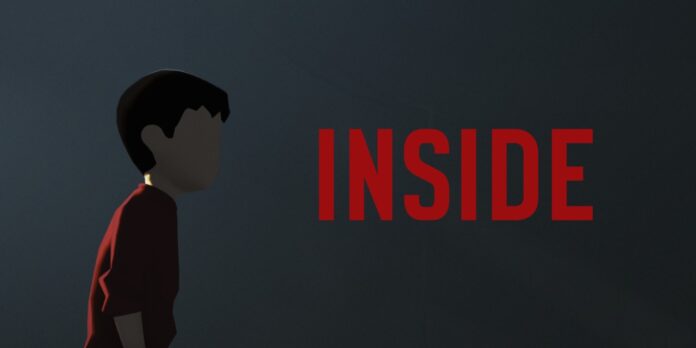
Ok, this one’s a little creepy. You a little boy who’s alone and being hunted. And it’s dark…really dark.

Inside, the heart-pounding creation of Playdead for the Nintendo Switch, will have you on the edge of your seat as you embark on a suspenseful and thrilling adventure through a mysterious and enigmatic world. Get ready to feel the adrenaline coursing through your veins as you guide a courageous yet cautious young boy through a twisted tale that will keep you guessing till the very end!

Imagine this: you find yourself thrust into a world shrouded in suspense and uncertainty, where every shadow hides a secret and every step could lead to danger. It’s like being trapped in a psychological thriller movie, with all the twists and turns that keep you hooked and make your heart race with anticipation.

Inside’s visuals are nothing short of stunning, painting a chilling atmosphere that will send chills down your spine. The game’s art style perfectly captures the suspense and mystery, immersing you in a world that seems both familiar and completely alien at the same time. It’s a visual treat that will leave you mesmerized, even as you anxiously wonder what lies around the next corner.

As you navigate through this thrilling adventure, you’ll encounter mind-bending puzzles that will test your logic and make you question your own sanity. These puzzles are like riddles waiting to be unraveled, challenging you to think outside the box and push your problem-solving skills to their limits. Each solution you discover will bring you one step closer to unraveling the secrets that lie within this captivating world.

But beware, suspense lurks in every shadow. Inside is not afraid to keep you on your toes with heart-stopping encounters and pulse-pounding moments of tension. As you sneak past menacing figures and navigate treacherous obstacles, the game’s responsive controls and immersive mechanics will make you feel like you’re living in a suspenseful movie, with each decision carrying the weight of life and death.

The story of Inside is a captivating web of mystery and intrigue, revealed through atmospheric storytelling and subtle hints. It’s a narrative that will keep you guessing and theorizing, as you uncover the truth behind the boy’s journey and the dark forces at play. Prepare to be engrossed in a tale that will leave you contemplating its meaning long after the credits roll.

So, buckle up and get ready for a suspenseful thrill ride that will keep you on the edge of your gaming seat. Inside is a masterpiece of tension and mystery, delivering an experience that will leave you breathless and craving for more. Get ready to lose yourself in a world where every moment is filled with suspense and every step could change everything. The suspense is building, and it’s time for you to step Inside.

Platform(s)Nintendo SwitchPS4 | PS VRPS5 | PS VR2, Xbox Series X, Xbox One, Windows 10, iOS, Mac
Release dateJune 28, 2018
Number of players1
GenreAdventure, Puzzle, Action, Platformer
PublisherPlaydead
ESRB ratingMature
Supported play modesTV mode, Tabletop mode, Handheld mode
Game file size1.5 GB (Nintendo Switch)