Home Blog Page 2

Assassin’s Creed Shadows Just Got Its Real Ending, and That Says a Lot About Modern Games

0

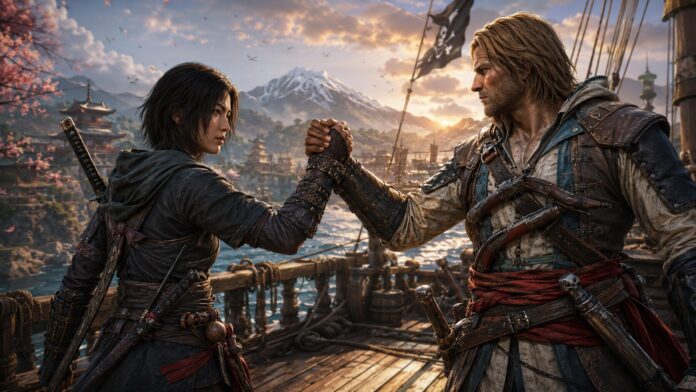
Wait, Assassin’s Creed Shadows just got its real ending now? That’s the part that caught my attention. Ubisoft’s final major update for Assassin’s Creed Shadows is here, and it’s not just another patch with bug fixes and gear changes. Title Update 1.1.11 adds a new free story quest called Black Tides, a new endgame mode called Domains, new crossover Projects, and a final Animus Rift called Horizon.

On the surface, that sounds like a nice goodbye update. I like that. I like when a game gives players a reason to come back, especially if the world is good enough to deserve another visit. But the bigger story is harder to ignore. If Black Tides is meant to give Naoe and Yasuke a more complete ending, then it raises the uncomfortable question modern games keep forcing us to ask. When exactly is a game actually finished?

The Final Update Sounds Bigger Than a Normal Patch

Black Tides brings a new threat to Japan after the main story. Two elite Templars known as the Black Cross arrive to hunt Naoe and Yasuke, but like most things involving the Templars, the job might not be as simple as it first appears. Players need to finish the main story and complete the post-launch quests A Critical Encounter and A Puzzlement before they can access this final mission.

That already tells you this isn’t just a random side quest dropped onto the map. Ubisoft is treating it like a closing chapter. If this is the mission that finally gives Shadows a stronger ending, then it feels less like extra dessert and more like the missing last bite of the meal.

I Like Having a Reason to Go Back

I actually like Assassin’s Creed Shadows, so part of me is happy about this. I liked the world, I liked the setting, and I liked having both Naoe and Yasuke as different ways into the same story. If Ubisoft adds a stronger final quest, new challenges, and a few more connections to the larger Assassin’s Creed universe, that’s not a bad thing.

The problem isn’t that the update exists. The problem is the timing and what it says about the original release. We’re now in a gaming world where the “complete” version of a story can arrive later, after reviews are done, after players finished the game, after physical copies shipped, and after a lot of people already moved on.

The Physical Copy Isn’t the Full Story Anymore

This is where the physical media side bothers me. If you bought Assassin’s Creed Shadows on disc, you own the version that shipped. But the final version of the story, at least based on how this update is being described, isn’t really on that disc. It’s in a download that came later.

That matters to collectors. It matters to preservation. It matters to anyone who still cares about putting a game on a shelf and knowing that the story is there, complete, without needing a server years from now. I’m not saying every patch needs to be on the disc. Games are huge and complicated now. But when a final story quest is important enough to feel like the real ending, it starts to feel like the disc is only part of the product.

The Black Flag Connection Makes This More Interesting

The other piece that gets my attention is the connection to Assassin’s Creed Black Flag Resynced. Ubisoft is using this update to build a bridge between Shadows and the upcoming return of Black Flag, which makes a lot of sense. Black Flag is one of the most loved games in the series, and anything connected to it is going to get attention.

Video via Ubisoft

That part is smart. If you’re already trying to bring players back to Shadows, tying it to Black Flag gives people a reason to care beyond one last mission. The new crossover Projects, Riptides and Undertow, also push that idea by offering themed rewards that connect the two games. It’s a clever way to make the final update feel like both an ending and a teaser.

Domains Could Give Endgame Players Something to Chase

The new Domains feature also sounds like it was built for players who kept going after the credits. It’s described as a new Animus activity with five gameplay simulations and ten challenge levels, designed to test your RPG build. That kind of thing can work well in a game like Shadows, especially if you enjoy tuning gear, builds, and abilities.

I don’t think every Assassin’s Creed game needs to turn into an endless endgame machine. Sometimes I just want a strong story, a great world, and a clean ending. But if the systems are already there, a challenge mode makes sense. It gives high-level players a reason to experiment instead of just wandering around after the main story is over.

This Is Generous and Frustrating at the Same Time

That’s the strange thing about this update. It’s easy to be grateful for free content. Black Tides is free, Domains is free, and Ubisoft could have simply walked away after the paid expansion and smaller patches. In that sense, this is good for players who already own the game.

But it’s also frustrating because it feels like another example of a modern game becoming whole after launch. We saw Assassin’s Creed Shadows grow through updates, added quests, crossover events, system tweaks, and now a final story chapter. Some players may love that because it makes the game feel alive. Others may wonder why the version they bought on day one wasn’t the version with the strongest ending.

The Better Version Arrived Late

This is not only an Assassin’s Creed problem. Big games now often launch as one thing and become something else later. Cyberpunk 2077 became a much better game after years of updates. No Man’s Sky became a completely different success story after launch. Plenty of live-service games, RPGs, and open-world games now depend on months of fixes, additions, and tuning.

The difference here is that Assassin’s Creed is still mostly sold like a big single-player adventure. That means the ending matters. If the story does not land, players remember that. When the better ending arrives later, it helps, but it also cannot fully recreate the first experience.

Is Shadows Finally Finished?

Maybe this is the best version of Assassin’s Creed Shadows now. Maybe Black Tides gives Naoe and Yasuke the closure they deserved, and maybe Domains gives the endgame a cleaner purpose. If so, that’s good news for anyone who waited, and it’s a good reason for players like me to go back.

But this also makes me think about how I buy games now. Do I play at launch, when the excitement is highest, or do I wait until the updates, expansions, and final patches make the game feel complete? That’s a weird place for gaming to be, but it’s becoming more normal every year.

A Good Goodbye With a Bigger Problem

Assassin’s Creed Shadows going out with Black Tides is probably a good thing. It gives the game a stronger finish, points toward Black Flag Resynced, and gives fans one last reason to step back into Japan. For players who loved Naoe and Yasuke, that’s worth celebrating.

But the bigger issue does not go away. If the final update is where the story finally feels complete, then the launch version was not really the full story. That’s the modern gaming problem in one sentence. Assassin’s Creed Shadows may be better now, but it also reminds us that the best version of a game often arrives after the people who cared most already finished it.

Buy Assassin’s Creed Black Flag Resynced (Amazon)
Buy Assassin’s Creed Shadows (Amazon)
F1’s Monaco Podium Drama Is Turning Into a Bigger Problem Than One Race

0

Formula 1 fans can handle chaos. Honestly, that’s part of why we watch. We can handle rain, safety cars, wild strategy calls, bad starts, bold overtakes, and races that flip upside down in the final laps. What is harder to handle is when the race ends, the podium changes days later, and everyone is still arguing about what the result should have been.

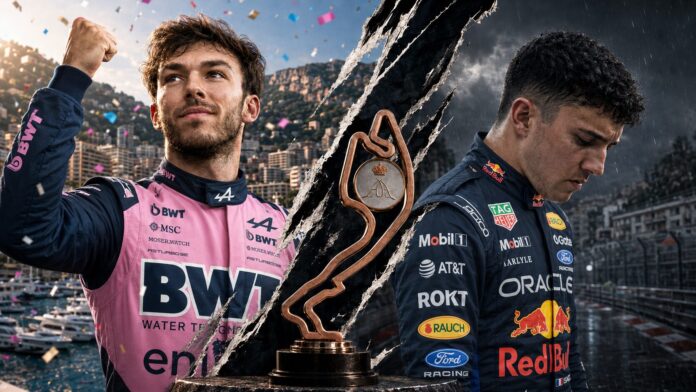
That is where the Pierre Gasly Monaco situation gets messy. The 2026 Monaco Grand Prix was run on June 7, and Gasly finished third on track before he was hit with two five-second penalties for pit lane speeding. Those penalties dropped him down the order, which promoted Isack Hadjar into third place. Then Alpine appealed, the penalties were overturned, and Gasly was restored to third place on June 12, five days after the race had already ended.

The Problem Is Not Just Gasly

I actually feel for Gasly here. Monaco podiums don’t come around every day, especially for a team like Alpine. If there really was a timing or measurement issue, then taking away that podium would have been brutal. From Alpine’s side, fighting for that result makes complete sense.

But the problem is bigger than whether Gasly deserved the trophy. The problem is what happens to everyone else when a penalty gets removed after the race. Hadjar inherited the podium when Gasly was demoted, then lost it when Gasly was reinstated. That is a terrible emotional swing for a young driver, and it is the kind of thing that should make F1 stop and ask how this was allowed to drag out this long.

Five Days Is Too Long to Fix a Podium

This is the part that makes me angry. The race was on June 7, but Gasly was not reinstated to third place until June 12. That means it took five days for Formula 1 to fix a podium result from one of the most famous races in the world. Then the argument kept dragging on until Mercedes withdrew its review petition on June 18, which means the controversy stayed alive for almost two weeks.

That should not happen. I understand that timing systems can fail, appeals can happen, and teams have the right to fight for points. But a podium is not just a number on a results sheet. It is a trophy ceremony, a memory, a team celebration, a career moment, and a public result that millions of fans already watched happen.

You cannot hand someone a third-place trophy, let the celebration happen, and then days later say the trophy belongs to someone else. That is ridiculous. If there is a serious timing or penalty issue that could change the podium, then Formula 1 needs a better process before the ceremony happens. Delay the trophy ceremony if you have to. Make it awkward for an hour if needed. That is still better than making the result feel fake for five days.

Imagine This Happening After the Knicks Parade

To put this in regular sports terms, imagine if the Knicks had their parade yesterday, fans packed Lower Manhattan, Brunson lifted the trophy, the shirts sold out, the photos went everywhere, and then the NBA came back days later and said there was one more thing to review from Game 5 against the Spurs. Imagine the league saying Wembanyama was fouled on the final Spurs possession, or that a late Knicks basket should not have counted because Brunson pushed off, or that the officials missed something that could have changed the final result.

Even if the league found the technically correct answer, fans would lose their minds because the emotional event already happened. The championship moment would have already been lived. The parade would have already rolled through the city. The shirts would already be in closets, the photos would already be framed, and the memory would already belong to the fans.

That is why the Gasly and Hadjar situation feels so wrong. A podium is F1’s version of that public trophy moment. It is the champagne, the photos, the team crying in the garage, the driver standing there with the whole world watching. You cannot let that moment happen, wait five days, and then tell another driver the trophy was never really his.

In basketball, that would feel insane after a parade. In F1, it should feel insane after a podium ceremony too. The fact that racing has appeals and reviews don’t make the human side disappear. If anything, it means F1 has an even bigger responsibility to get podium-changing issues settled before the ceremony becomes part of history.

Hadjar Got Put in an Impossible Spot Too

This is not about attacking Gasly or Hadjar. Gasly deserved the result if the timing error was real, and Hadjar had every right to feel crushed when the inherited podium disappeared. That is exactly the point. The system put both drivers in a terrible position. One driver had to wait days to get back what he earned, while another had to lose a podium after the sport had already let the moment breathe.

That is what feels so wrong here. Hadjar didn’t do anything wrong by standing where the result told him to stand. Gasly did not do anything wrong by fighting to get back the place he earned on track. The failure is the process that let both things be true at the same time.

Fans Hate Results That Feel Unfinished

This is the part F1 needs to worry about. Fans don’t want to feel like the race is only half over when the checkered flag comes out. We want to argue about strategy, speed, tires, driver mistakes, and the wild swings that make racing exciting. We don’t want to spend the week after a Grand Prix trying to understand hearings, reviews, penalty reversals, and who would have finished where under a different version of the rulebook.

That does not mean the stewards should ignore mistakes. If the timing system was wrong, then F1 has to correct it. But the longer these decisions take, and the more other teams feel damaged by them, the more the sport risks making the official result feel less official. That is dangerous because trust is one of the most important things in racing.

Monaco Makes Everything Feel Bigger

This would be annoying at any race, but Monaco makes it worse. Track position matters more there than almost anywhere else on the calendar. Passing is difficult, strategy is fragile, and every second gained or lost can decide the entire weekend. A pit lane speeding penalty in Monaco is not a small detail because the race itself is built around tiny margins.

That is why the Gasly case became such a mess. If this happened at a track where passing was easier, maybe the emotional damage would feel smaller. At Monaco, changing a penalty after the race can change the whole story of the podium, the points, and the weekend. One decision does not just move a name on a spreadsheet. It rewrites the memory of the race.

The Rules Need to Feel the Same for Everyone

The biggest concern here is consistency. If one driver’s penalty is overturned because of a measurement problem, fans naturally ask why every similar case is not treated the same way. If another driver already served a penalty during the race, what happens to them? If a team made a strategy decision based on a penalty that later disappears, how do you repair that?

That is where the sport gets stuck. You can fix one result and still create three more problems. Once the door opens, every team starts looking at its own lost points and asking why it should not get another chance too. F1 cannot build trust if every major correction creates a new set of people who feel cheated.

This Is Why F1 Needs Cleaner Answers

Formula 1 is too big now for this kind of confusion to drag on without a clear explanation that normal fans can understand. The sport has grown worldwide, and not everyone watching knows every detail of the sporting regulations. Fans need simple answers. What happened? Was the measurement wrong? Who was affected? Why did only certain penalties change? What will F1 do so this does not happen again?

That last question matters most. If a system error caused this, then the system needs fixing before the next race. If the rules made it impossible to treat every driver fairly after the fact, then the rules need work too. Fans can accept a mistake more easily when the sport explains it clearly and shows what it is changing.

The Drama Should Be on the Track

I love F1 because the swings are wild. A driver can look finished one week and unstoppable the next. A strategy call can save a race or destroy it. A young driver can look like the future, while a legend can suddenly remind everyone why he is a legend. That is the kind of drama the sport should be selling.

What F1 does not need is more post-race confusion. The Monaco podium drama may fade from the headlines, especially now that Mercedes has withdrawn its appeal. But the bigger issue is still there. When fans stop trusting that the result they saw is the result that counts, every finish starts to feel temporary.

F1 Cannot Let This Become Normal

Gasly may keep the podium, and Alpine may feel justice was done. Hadjar may have to accept losing the third-place result he inherited. Mercedes may have decided the fight was no longer worth continuing. But the sport itself should not walk away like this was just one weird Monaco problem.

F1 needs to learn from this quickly because the championship is already full of tension. Every point matters. Every podium matters. Every team is looking for an edge. If the rules feel unclear or uneven, the arguments will only get louder as the season gets tighter.

The checkered flag should mean something, and the podium should mean even more. If the sport cannot settle a podium-changing penalty quickly, then it should not rush into a ceremony that might become wrong before the next race weekend even starts. Monaco gave us a podium, took it away, gave it back five days later, and left everyone debating what fairness even means. That may be great for headlines, but it’s not at all good for trust.

College Is Becoming a Math Problem Most Families Are Not Ready For

0

College used to feel like a dream problem. Your kid works hard, gets into a school, and the family figures out how to make it happen. But now it feels more like a giant math problem that most families are being asked to solve too late.

That is the scary part. The biggest college shock is not always the first tuition number you see on a website. It is the full four-year total once you add housing, fees, meals, books, travel, deposits, supplies, and the small costs that somehow never feel small when they show up. By the time families see the real number, the dream school may already be emotionally locked in.

The FAFSA May Be Easier, But College Is Not Cheaper

There has been some good news around financial aid forms. The FAFSA process has been smoother this year after the messy rollout families dealt with before. That matters because the form is stressful enough without technical problems, delays, and confusion getting in the way.

But an easier FAFSA does not make college cheaper. It only helps families understand what aid they might get. That is important, but it does not solve the bigger problem. Many families are still staring at a number that does not fit their savings, their income, or their monthly budget.

The Real Number Is Four Years

This is where I think families need to slow down. One year of college can already look expensive, but one year is not the decision. The real decision is four years, and sometimes more if a student changes majors, loses credits, needs another semester, or chooses a program with extra costs.

When I started looking at real college numbers, the part that hit me was not only tuition. It was the full picture. Housing can be huge. Meal plans can be huge. Travel can matter. Fees can sneak up on you. Even the “little” costs add up when you multiply them across semesters.

Loans Do Not Always Cover the Gap

This is another part families may not realize until late in the process. Federal student loans have limits, and those limits may not come close to covering the full cost of attendance. Depending on the student’s year and dependency status, undergraduate federal loan limits can be much lower than the total bill families are facing.

That means parents may start looking at Parent PLUS loans, private loans, monthly payment plans, home equity options, or other ways to fill the gap. Once that happens, college is no longer just a school choice. It becomes a family finance choice with long-term consequences.

July Brings More Loan Changes

Student loan repayment is also changing again. Starting July 1, 2026, major federal repayment changes are taking effect, including changes tied to repayment plans and the end of the SAVE plan. Borrowers in SAVE are expected to move into another repayment option, and families with older loans may need to pay close attention to notices from their loan servicers.

There is also a temporary autopay interest discount coming for some federal student loan borrowers. That sounds helpful, and for some families it will be. But it also shows how complicated this whole system has become. Families are not just choosing a school anymore. They are trying to understand aid forms, loan limits, repayment plans, interest rates, deadlines, and future monthly payments.

Dream Schools Need Real Math

I am not saying families should give up on dream schools. I believe in big dreams, especially when a kid has worked hard and has a real passion. But dreams need numbers attached to them because the bill does not care how emotional the decision feels.

A school can be perfect in every way and still be financially dangerous if the family does not understand the full cost. That does not make the school bad. It just means the decision has to be made with eyes open. Parents and students need to know what the total cost looks like, what aid is real, what aid is only for one year, and what debt might look like after graduation.

Families Need Better Tools Before They Say Yes

The college decision should not depend on panic, guesswork, or a spreadsheet built at midnight after everyone is already stressed out. Families need a clear way to compare schools side by side. They need to see the real four-year number. They need to understand the gap between the sticker price, the aid package, and what they actually have to pay.

This is the kind of math that should happen before a student falls in love with one school and before parents feel trapped between a dream and a debt load. The earlier families do the full math, the better chance they have of making a decision that still feels good years later.

The Dream Is Still Worth Protecting

College can still be worth it. For many students, it can open doors, build confidence, create opportunity, and change the path of a life. But the way families pay for college has become too important to treat like a detail.

That is why this topic matters so much. Families are not just picking a campus. They are picking a financial path. They are choosing how much pressure they are willing to carry, how much debt they can survive, and how much risk makes sense for the future.

Before your kid picks a dream school, do the full college math. Not because dreams should be smaller, but because the dream deserves a plan strong enough to survive the bill.

Spider-Man 2 Is Getting a Brand New Day Suit, But Is Insomniac Hinting at Something Else?

0
Screenshot via Sony Interactive Entertainment

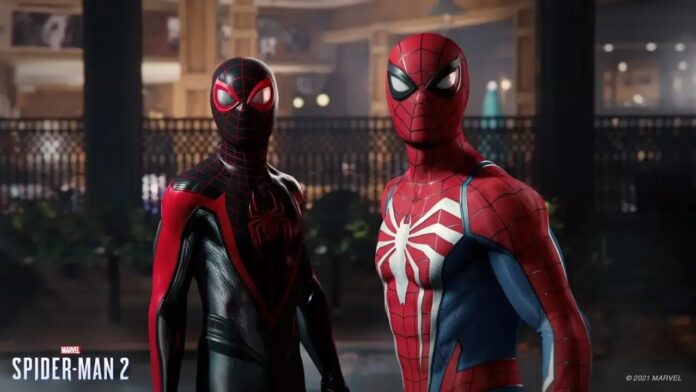
If you missed it, Marvel’s Spider-Man 2 is getting a new suit inspired by Spider-Man: Brand New Day, the upcoming Tom Holland movie. Sony Interactive Entertainment, Insomniac Games, and Nixxes Software are adding the new Fresh Start Suit on July 28 as a free update for PlayStation 5 and PC.

That alone is cool, especially if you are still jumping back into Spider-Man 2 for photo mode, New Game Plus, or just to swing around New York for a few minutes. But because this is Spider-Man, and because the game has been quiet for a while, fans are already asking the bigger question. Is this just a movie tie-in suit, or is Insomniac quietly reminding us that Spider-Man 2 still has unfinished business?

The Suit Itself Is the Story

Screenshot via Sony Interactive Entertainment

The Fresh Start Suit fits the moment perfectly because Brand New Day is all about Peter Parker starting over. After No Way Home, Peter is alone, forgotten, and back to being a street-level Spider-Man without the big Avengers safety net. That is why the movie suit has a different feeling from the high-tech MCU suits we got during the Iron Man era.

That also makes it a good fit for Marvel’s Spider-Man 2. Insomniac’s Peter has been through a lot too. He has dealt with loss, the symbiote, Venom, Harry, Miles stepping up, and the emotional cost of trying to save everyone. A suit called Fresh Start almost feels like it belongs in this version of the story, even if the update itself is only being sold as a cosmetic addition.

Why Fans Are Thinking About DLC Again

The reason people are asking about DLC is simple. Marvel’s Spider-Man 2 left some doors open. The biggest one is Carnage, which was clearly teased through The Flame side story. There is also the larger question of where Peter, Miles, Cindy Moon, Norman Osborn, and the next major threat go from here. The game did not feel like a dead end. It felt like a chapter with more pieces still moving.

That is where this suit update gets interesting. If Insomniac were completely done with Marvel’s Spider-Man 2, why return now with a new suit tied to the next major Spider-Man movie? The boring answer is probably the correct one: it is good cross-promotion. Sony has the movie, Sony has the game, and Spider-Man is one of the biggest characters in the world. Putting the movie-inspired suit into the game days before the film opens just makes business sense.

But It Still Feels Like a Breadcrumb

Screenshot via Sony Interactive Entertainment

I do not think this confirms DLC. We have to be careful there because Insomniac previously said it had no additional story content planned for Marvel’s Spider-Man 2 when the PC version was announced. That is the official reality right now, and one new suit does not erase that.

But I also understand why fans are not ready to let this go. Spider-Man 2 is too big, the world is too good, and the setup for future stories is too clear. A suit update may not be proof of story DLC, but it does remind players that the game is still alive enough to get attention. Sometimes that is all it takes for speculation to start again.

The Physical Edition Angle

There is also a physical games angle here. Marvel’s Spider-Man 2 already has a disc release, and for collectors, that matters. But modern games keep changing after launch, which means the version on the disc is not always the version people remember years later. Suits, modes, accessibility updates, New Game Plus, and smaller additions can all live outside the original physical copy.

That is where I always start thinking about a possible complete edition or definitive edition. If Marvel’s Spider-Man 2 keeps getting little pieces of content, even cosmetic ones, there is always a chance Sony could eventually repackage the game with all updates included. That does not mean it will happen, and it definitely does not mean DLC is coming. But as a physical collector, I would love a true final disc version one day with the complete game and all post-launch suits included.

Insomniac May Be Looking Forward, Not Back

The other possibility is that this is less about Spider-Man 2 and more about the future. Insomniac is also working on Marvel’s Wolverine, and the studio’s Marvel universe has become one of PlayStation’s most important assets. Adding a Brand New Day suit keeps Spider-Man in the conversation while Sony builds toward its next big Marvel release.

That might be the real reason this update matters. It keeps the Insomniac Spider-Man world connected to the wider Marvel spotlight without requiring a full expansion. It reminds casual players that Spider-Man 2 exists on PS5 and PC. It gives movie fans a reason to boot the game back up. It gives screenshot people something new to play with. It gives everyone a little spark without Sony having to promise a full fire.

So Is DLC Coming?

My honest take is no, not from this alone. I would love to be wrong, especially if the story finally picked up the Carnage thread or gave Miles and Peter one more major mission before Spider-Man 3. But right now, this looks more like a smart movie tie-in than a hidden DLC announcement.

Still, it is not nothing. The Fresh Start Suit is arriving at the perfect time, it connects directly to the next Spider-Man movie, and it brings Marvel’s Spider-Man 2 back into the news after a long quiet stretch. For a game that many fans still want more from, even a suit can feel like a signal.

Opening Night Is Part of the Event

Screenshot via Sony Pictures

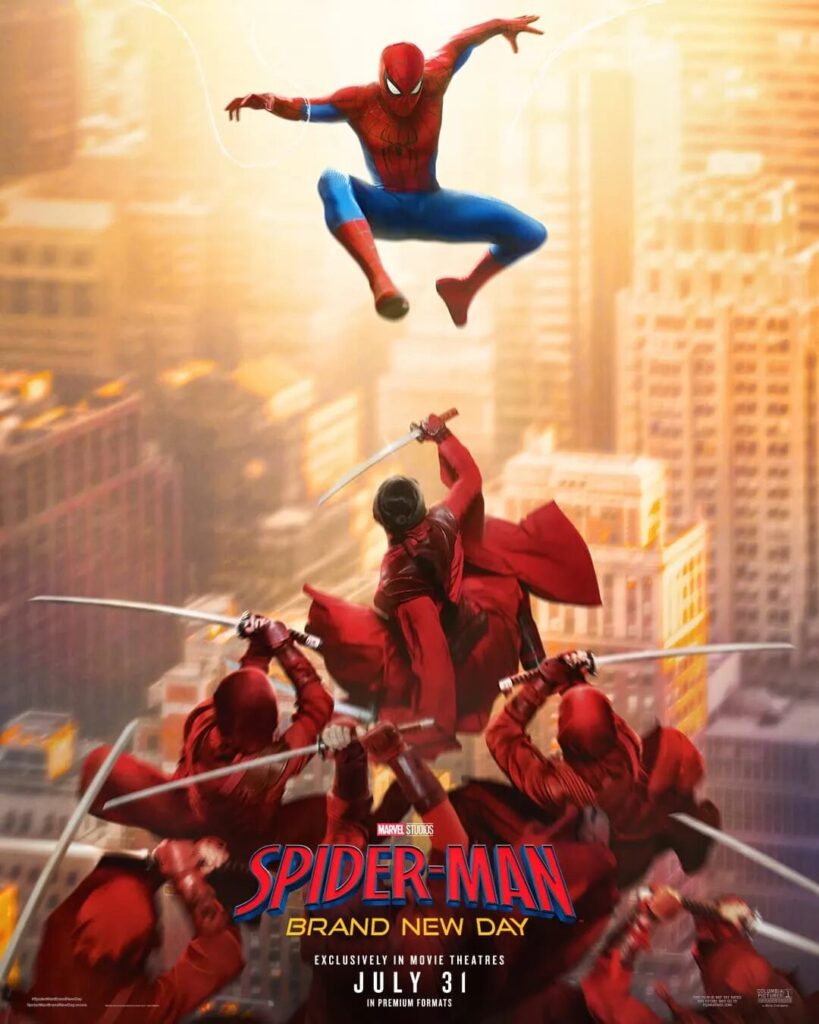
And honestly, if you have not gotten tickets for Spider-Man: Brand New Day yet, you may want to move fast. This feels like one of those movies where opening night matters. I am going opening night because Spider-Man is one of the few Marvel characters who still feels like a real event, and if fans want this new direction to work, we need to show up when it starts.

That does not mean everyone has to chase spoilers or treat a movie ticket like homework. But Spider-Man is different. The crowd reactions, the theories, the first wave of excitement, and the feeling of seeing it before the internet tears every scene apart are all part of the experience. If Brand New Day is really Peter Parker’s fresh start, opening night is where fans should be.

A Fresh Start Can Mean More Than One Thing

Maybe that signal is just marketing. Maybe it is just Sony lining up the movie and the game because it would be silly not to. But when the suit is called Fresh Start, and it lands in a Spider-Man game that still has unfinished story energy, it is hard not to wonder if Insomniac is quietly reminding us that this universe is not done yet.

For now, the safe answer is simple. Spider-Man 2 is getting a free movie-inspired suit, and fans should not treat that as proof of DLC. But the fun answer is more interesting: Spider-Man is back in the conversation, Brand New Day is almost here, and one little suit update was enough to make people wonder if there is still more web left to swing.

If you haven’t already, be sure to check out the brand new trailer for Spider-man: Brand New Day right here:

Video via Sony Pictures

Buy Spider-Man 2
Buy Playstation 5

GTA 6 Cover Art, Preorder Details, and Rockstar Still Has One Big Secret Left

0

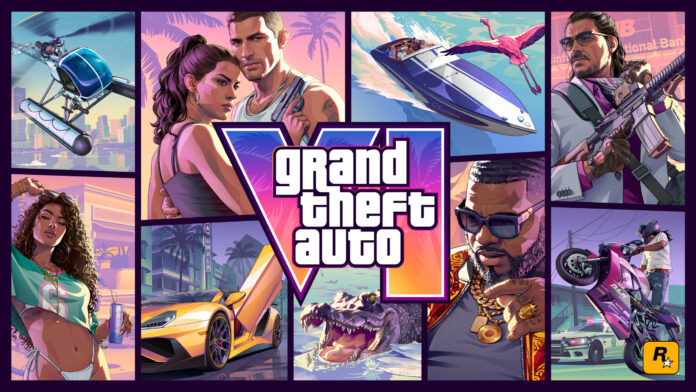
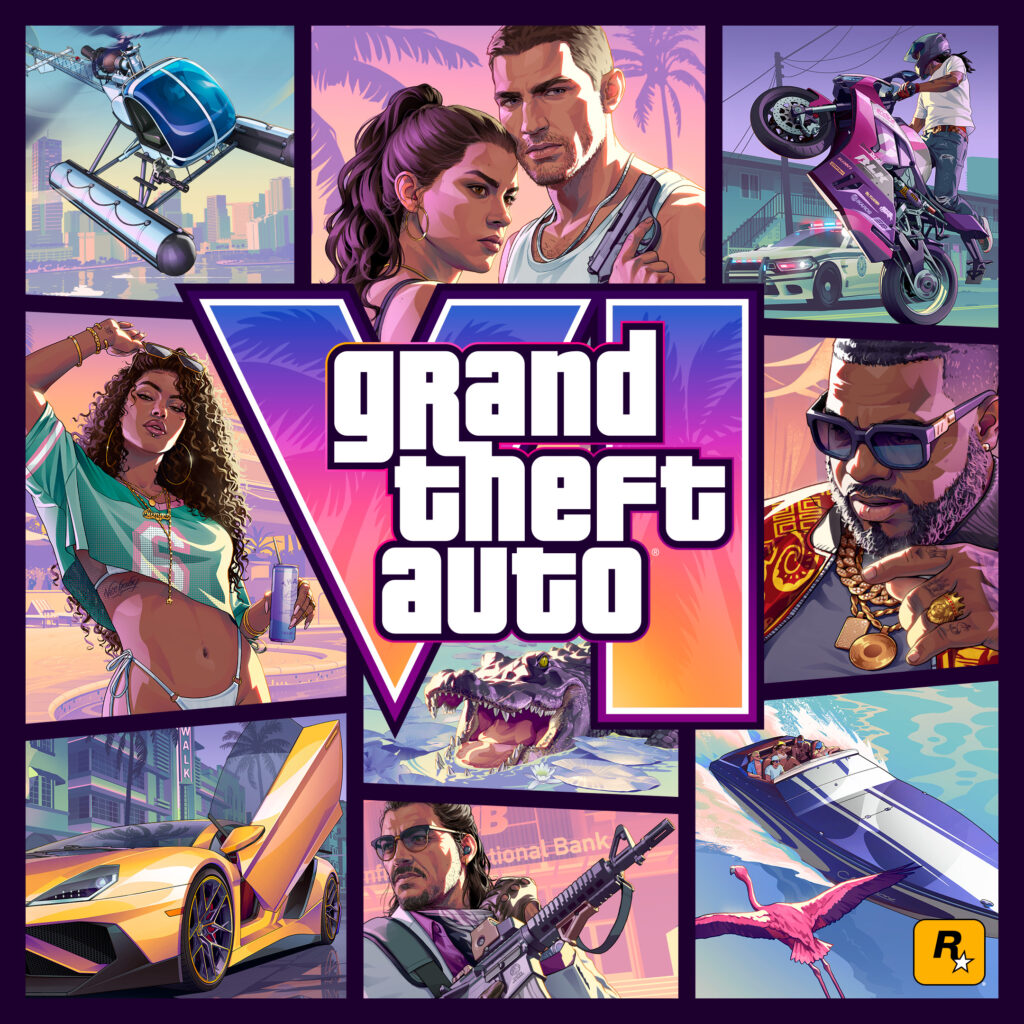
Grand Theft Auto VI just became real in a way that trailers alone could not do. Rockstar has now revealed the official cover art, and preorders are set to begin on June 25 through digital storefronts and select retailers. The game is still listed for November 19, 2026 on PlayStation 5 and Xbox Series X/S, which means the biggest game launch in years is finally moving from rumor mode into buying mode.

That matters because GTA 6 has felt almost too big to be normal. We’ve had leaks, trailers, delays, fan theories, map breakdowns, character debates, and endless price rumors. But cover art is different. Cover art means shelf space. It means preorder pages. It means people start asking where they are buying it, which version they want, and whether Rockstar is about to test how much people are willing to pay for one game.

The Cover Art Makes GTA 6 Feel Physical Again

Screenshot via Rockstar Games

The new cover art keeps the classic Grand Theft Auto style. It uses the familiar collage look with characters, vehicles, action, and attitude packed into one image. Lucia and Jason are right there, and the art immediately feels like GTA without needing to explain itself. That is important because Rockstar understands branding better than almost anyone in gaming.

For me, this is also where the physical copy starts to matter. Digital games are easy, but GTA is one of those series where the box still feels important. I want to see this one on a shelf. I want the case. I want the artwork. I want the thing to feel like a real release, not just another square tile buried in a console menu.

Preorders Start June 25, And the Price

The price for the PS5 and Xbox Series X/S will be $129 for the Standard Edition, and $159 for the Deluxe Edition….just kidding! The biggest secret is the price. Rockstar announced the preorder date, but it has not confirmed the editions or pricing yet. That is the part everyone is watching because GTA 6 is not just another big game. This is the game people have been waiting more than a decade for, and that gives Rockstar and Take-Two a lot of power.

I do not love that part. As excited as I am for GTA 6, I do not want this to become the game that makes higher prices feel normal. If there is a standard edition, deluxe edition, collector’s edition, early access edition, or some kind of GTA Online bonus package, players need to know clearly what they are paying for. Hype is fun, but hiding the price until people are already emotionally ready to preorder is not my favorite move.

This Is Bigger Than One Game

GTA 6 is not just a game release. It is going to be a full entertainment event. There are movies that don’t get this kind of attention anymore. There are TV shows that would beg for this level of global interest. When Rockstar posts something small, the whole internet reacts like a new console just launched.

That is why the preorder news feels bigger than normal. A lot of people who do not follow every gaming event will still know when GTA 6 is coming. Friends who barely play games will talk about it. People who skipped other huge releases will still ask about this one. GTA is one of the few names left that cuts through the noise.

The PC Version Is Still the Awkward Part

Right now, GTA 6 is listed for PS5 and Xbox Series X/S. There is still no PC version listed for launch, which is not shocking for Rockstar, but it is still frustrating. PC players have been through this before with Rockstar games, and many of them probably expected it.

Still, it feels strange in 2026. PC gaming is huge, handheld PCs are growing, and a lot of players are using devices like the ROG Ally, Legion Go, and Steam Deck-style machines. GTA 6 would be massive on PC, especially with mods, high-end settings, and long-term community support. Rockstar may get there later, but for now, console players are clearly getting the first seat at the table.

Physical Buyers Need to Pay Attention

If you care about physical games, this preorder period is worth watching closely. We need to see which retailers get copies, whether there are special editions, and whether the disc version actually includes what players expect. I am always careful now because modern physical releases can be messy. Sometimes the disc is complete. Sometimes it is a launcher. Sometimes there are huge downloads before you can really play.

With GTA 6, that question matters a lot. This is the kind of game people may want to keep for ten or twenty years. GTA 5 lasted across three console generations, and GTA 6 could easily become another long-term platform. If we are buying a physical copy, it should feel like a physical copy, not just a plastic receipt for a download.

Rockstar Is Turning the Machine On

The cover art and preorder date tell us something simple: Rockstar is turning the machine on. The company does not need to talk every week. It does not need to chase every gaming showcase. It can drop one image, one date, and one sentence, and suddenly the whole industry has to react.

That is the power of GTA 6. It is one of the few games that can make every other publisher look at the calendar and get nervous. Nobody wants to launch too close to this thing. Nobody wants to get buried under the noise. If November 19 holds, GTA 6 is going to own the end of the year.

Now We Wait for the Real Details

This is the part where excitement and caution meet. I am excited because it is GTA 6. I want to see Vice City again. I want to see how Rockstar handles Lucia and Jason. I want to see the world, the cars, the radio stations, the missions, the chaos, and all the small details Rockstar always hides in plain sight.

But I also want clear information. I want to know the price. I want to know the editions. I want to know what is on the disc. I want to know if there are preorder bonuses that matter, or if this is mostly marketing fluff. GTA 6 is big enough that it does not need tricks. Rockstar could sell this game by simply saying, here it is, here is what you get, and here is when you can play.

GTA 6 Finally Feels Close

The cover art did its job. It made GTA 6 feel close, even though we still have months to wait. It made the game feel like something you can actually buy, hold, collect, and count down to. After years of waiting, that is a big shift.

Now the next question is the one Rockstar has not answered yet. How much will GTA 6 cost, and what exactly will players get when preorders open on June 25? That is the secret left hanging over the biggest game in the world, and we probably will not have to wait long to find out.

Buy Grand Theft Auto VI (Amazon) today.

Square Enix May Have Accidentally Made the Zelda Game People Wanted While Nintendo Plays It Safe

0
Screenshot via Square Enix

Nintendo has everyone talking about one missing word. Square Enix, on the other hand, just walked into the room with a sword, a fairy companion, dungeons, time travel, and an all new adventure that feels like it knows exactly what classic Zelda fans have been asking for.

Video via Square Enix

That is what makes The Adventures of Elliot: The Millennium Tales so interesting right now. Nintendo is teasing The Legend of Zelda: Ocarina of Time for Switch 2 with careful language like “reborn,” while fans argue over whether it is a remake, a remaster, or something in between. Square Enix didn’t need to win that argument. It simply released a new HD-2D action RPG that looks at the old Zelda formula and says, fine, two can play at that game.

The Timing Could Not Be Better

The Adventures of Elliot launched on June 18, 2026, across Switch 2, PS5, Xbox Series X/S, and PC. That already makes it more accessible than many nostalgic Nintendo-style adventures, which often live and die on one platform. It also arrives at the perfect moment, right when Zelda fans are obsessed with the question of what a modern Ocarina of Time should even be. I mean, I’ve loved the game, but for some Ocarina is everything to them.

That timing matters because Nintendo is in a strange place with Zelda. Breath of the Wild and Tears of the Kingdom changed the series forever, but they also moved it far away from the classic dungeon and item structure many fans grew up loving. Those games are masterpieces in their own way, but if you miss older Zelda, you may still be waiting for Nintendo to fully come back to that version of the series. Something like Link’s Awakening or Echoes of Wisdom, but better.

This Is Not Zelda, But It Knows the Language

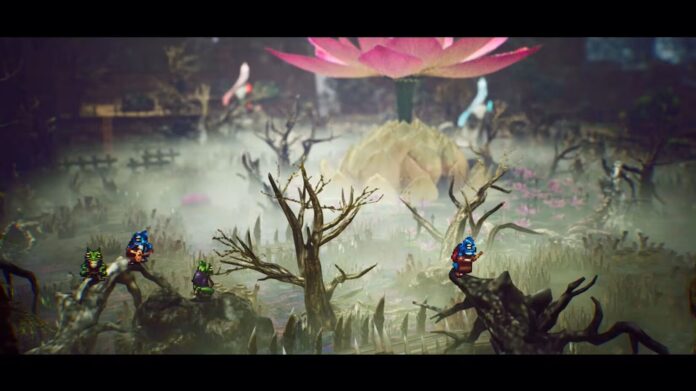
The Adventures of Elliot is not trying to hide its influences. Reviews are already calling it Zelda-inspired, with real-time combat, dungeon exploration, environmental puzzles, a fairy-like companion named Faie, and a world built around discovery. The Verge framed it as a Final Fantasy meets Zelda kind of adventure, while The Guardian called it a playable love letter to Zelda.

That doesn’t mean Square Enix made a clone. What makes Elliot interesting is that it mixes those classic adventure ideas with Square’s own RPG habits. You get HD-2D visuals, weapon customization, magicite-style slot-based equipment upgrades, time travel across four eras, and the kind of cozy fantasy storytelling that feels closer to Octopath Traveler or Bravely Default than anything Nintendo would usually make.

Square Enix Found the Safe Kind of Nostalgia

Video via Square Enix

Nintendo has to be careful when it touches Ocarina of Time. If it changes too much, fans will accuse it of messing with their childhood. If it changes too little, fans will ask why this needed to exist in the first place. Nostalgia? Better lighting? 4K? And of course “What the heck have you been spending all that money on from those $80 games, Nintendo?” That is the curse of remaking one of the most beloved games ever made. Dare I say, “Best game of all time?”

Square Enix does not have that problem with Elliot. Because this is a new game, it can borrow the feeling without carrying the burden. It can have a fairy companion without being Navi. It can have dungeons without being the Forest Temple. It can use time travel without asking people to compare every moment to young Link pulling the Master Sword for the first time. Wait…was that a spoiler? Oops, ma bad!

That is the advantage of spiritual successors. They can make you feel something familiar without forcing you to grade them like a vintage Pokémon card. Elliot gets to be nostalgic and new at the same time, which is exactly the space Nintendo is trying to navigate with Ocarina of Time on Switch 2.

The HD-2D Style Finally Feels Like More Than a Gimmick

Square Enix has used HD-2D for years now, starting with Octopath Traveler and expanding through games like Triangle Strategy, Live A Live, and Dragon Quest III HD-2D Remake. Sometimes the style feels magical. Sometimes it starts to feel like a very pretty filter over a very familiar structure.

Video via Square Enix

Elliot seems more interesting because it pushes that look into action-adventure territory. This is not just turn-based battles in a glowing diorama. It’ is’s got real-time movement and combat…can I get an Amen! It’s got puzzles, environments, lighting, ruins, forests, and dungeon spaces, all presented through that modern retro lens. That matters because the style fits the exact emotional gap classic Zelda fans are living in right now.

A fully realistic Zelda remake could feel wrong if it loses the storybook quality of the original. A basic remaster could feel too small for Switch 2. HD-2D sits in the middle, giving players nostalgia without making everything look like plastic nostalgia bait. Square Enix may have found the visual language Nintendo is currently dancing around.

There Is a Physical Media Catch

There is one part of this that physical collectors like myself will certainly hate. The Switch 2 physical release has been listed as a….wait for it….game-key card. Booooo!!! This means it’s not the kind of complete-on-cartridge release preservation fans want. For a game that feels like a love letter to old-school adventure design, that is a little disappointing.

That is especially true because this kind of game seems perfect for the shelf. It has that classic RPG energy, the kind that makes you want a real case, a real cart, and a copy you can still play years from now without wondering what server or license is involved. If Square Enix wants to court nostalgic players, the physical release matters too.

Nintendo Should Be Paying Attention

The bigger story is not that Square Enix beat Nintendo at Zelda. It did not. Zelda is Zelda, and Ocarina of Time still carries a weight that almost no game in history can match. The bigger story is that Square Enix seems willing to serve the specific version of adventure gaming that Nintendo has mostly left behind.

That could make Elliot more important than it looks. If players respond to it, Nintendo will have another signal that people still want guided adventures, dungeons, items, magical companions, and handcrafted worlds that are not just giant physics sandboxes. Breath of the Wild opened Zelda up, but there is still room for the old-style too.

The Hero Hyrule Deserves, But Not The One It Needs Right Now

The funny thing is that The Adventures of Elliot may benefit from not being Zelda. It does not have to answer for decades of expectations. It does not have to be compared to Ocarina of Time frame by frame. It can simply be a warm, colorful, dungeon-filled adventure at a time when players are suddenly asking what happened to that kind of game.

That is why this story is worth watching. Nintendo is carefully choosing words around one of its most legendary games, while Square Enix just released something that feels like it wandered out of the same childhood memory and brought its own ideas with it. Maybe Elliot is not the Zelda remake fans are waiting for, but it might be the reminder that the old formula still works when someone actually commits to it.

Nintendo Got Weird About the Ocarina of Time Remake, and Fans Noticed

0

Nintendo does not casually mess around with Zelda wording. That is why the latest Ocarina of Time situation feels worth talking about, even if it might end up being nothing dramatic. Fans noticed that Nintendo-linked text reportedly described the Nintendo Switch 2 version as a “full remake” with “stunning visuals,” “updated designs,” and “timeless gameplay.” Then that stronger wording disappeared, leaving the safer official line that the N64 classic is being “reborn” for Switch 2 in 2026.

That might sound like internet overreaction, and honestly, part of it probably is. But this is Ocarina of Time, not some random catalog game getting a fresh coat of paint. The word “remake” tells fans to expect something specific. It suggests rebuilt visuals, modern controls, updated character designs, new animation, maybe even expanded content. The word “reborn” says almost nothing, which is probably why Nintendo likes it better right now.

Nintendo Has Done This Kind of Thing Before

Nintendo has a history of being careful when one word could change the entire conversation. Before Tears of the Kingdom had an official name, Nintendo kept calling it the sequel to Breath of the Wild. The reason was simple: the title itself gave too much away. That was not random secrecy. That was Nintendo controlling when fans were allowed to know what kind of game they were really looking at.

Metroid Prime Remastered is the opposite example. When Nintendo wanted to be clear, it was very clear. It called that game “fully remastered,” showed the visual upgrade, explained the modern control options, and left very little room for debate. That is what makes Ocarina of Time interesting. If this were just a clean remaster, Nintendo could say that. If it wanted to sell this as a full remake right now, it could say that too. Instead, we are getting “reborn,” which feels exciting but also suspiciously flexible.

PlayStation and Xbox Have Had Their Own False Alarms

This kind of thing is not exclusive to Nintendo. PlayStation had its own wording mess when the Demon’s Souls remake trailer for PS5 included text suggesting the game was coming to PC and possibly other consoles. Sony pulled the trailer and said it was a mistake. Years later, that did not become the big multiplatform reveal people imagined, so that one was mostly a nothing burger.

Xbox fans have been through this too. Xbox Germany once promoted Final Fantasy VII Remake as coming to Xbox One before Microsoft corrected it as a mistake. Fans wanted to believe it because the game’s PlayStation exclusivity already felt strange, but the correction ended up being the real story. Sometimes the internet catches a clue. Sometimes it catches a typo wearing a trench coat.

So Is This Something or Nothing?

I do not think this proves Nintendo is hiding some massive secret. It could be placeholder copy. It could be SEO text. It could be legal cleanup. It could be someone using the word “remake” too loosely before Nintendo’s marketing team stepped in and said, no, not yet.

But I also do not think it means nothing. Nintendo knows how much pressure comes with touching Ocarina of Time. Change too much, and fans will panic that one of the greatest games ever made is being messed with. Change too little, and people will ask why this is not just another remaster or Nintendo Switch Online release. That is a difficult line to walk, and “reborn” lets Nintendo walk it without committing to either side.

That is why the removed word matters. Not because it proves a conspiracy, but because it shows how dangerous the word “remake” can be when the game is this important. Nintendo may simply be buying itself time until it is ready to show more. Until then, fans are going to do what fans always do: freeze-frame everything, dig through every listing, and argue over one missing word like Hyrule depends on it.

Buy Nintendo Switch 2 (Amazon)

I Built a Calculator for Life Decisions. Then One Number Changed Everything.

0

I did not start DynoCalc as a single idea or a planned product. It came together slowly over years, almost accidentally, through a long chain of small tools I kept building whenever I needed to solve something in my own life. Some of them were Excel spreadsheets with messy formulas I would reuse over and over. Some were simple web pages I spun up just to run a calculation without opening a full app. Some were lightweight tools I built quickly just to get an answer and move on.

Each one existed because I needed it in that moment. Not because I was trying to build a platform, but because something in my real life required clarity and I did not want to rely on whatever was already out there. It might have been tracking something financial, comparing options, converting measurements, or just testing a scenario I could not easily reason through in my head. The tool always came second. The problem always came first.

Over time, I started noticing a pattern in how often I was rebuilding the same kinds of solutions. I would solve something in Excel, then later rebuild a cleaner version as a web page, then sometimes rebuild it again as a lightweight app just because I wanted it faster or easier to access on my iPhone. It was never intentional product thinking, it was just repetition driven by necessity.

Eventually I reached a point where I realized I was not just making random tools anymore. I was repeatedly solving the same category of problem in slightly different ways, and each version was teaching me something about how people actually think when they are trying to make sense of numbers in real life.

That is when DynoCalc started to form, not as a single project, but as a collection of everything I had already built for myself over time.

Built From Necessity, Not Strategy

Most of the early tools came from very practical needs. Sometimes it was financial planning where I needed to quickly model different outcomes without relying on a heavy spreadsheet every time. Sometimes it was conversions or timing problems where I just wanted a fast answer without digging through multiple sites or apps. Sometimes it was about trying to lose a little weight and make sure I was on the right trajectory. Sometimes it was just curiosity where I wanted to see how changing one variable affected another in a controlled way.

The common thread was always the same. I needed clarity quickly, and whatever existed at the time either felt too heavy, too slow, or too cluttered for what I was trying to do. So I would build something small and direct that solved that exact problem and nothing more.

In hindsight, it was not really separate tools. It was the same mindset repeated in different forms, shaped by whatever situation I was in at the time.

From Spreadsheets to Web Pages to Small Apps

A lot of it started in Excel because that was the fastest way to model logic. I could throw together formulas, test outcomes, and refine them until they made sense. But spreadsheets are not always the most comfortable interface for real time thinking, so eventually I would rebuild those same ideas as simple web pages where I could interact with them more naturally.

Then came lightweight apps for things I used often enough that I wanted them to feel immediate. Nothing complex, just clean interfaces over the same logic I had already tested in spreadsheets. Each version was less about improving the idea and more about removing friction from how I used it.

That progression happened many times over the years without me really thinking about it as a system. It was just me solving the same types of problems in better ways as my tools improved.

There Was Something Bigger Here

The turning point for this project was not a single moment of inspiration. It was more gradual, like noticing a pattern that had been there the whole time. I realized I was not just building isolated tools anymore, I was repeatedly creating small systems for understanding real life decisions.

Money, timing, health metrics, conversions, planning scenarios, all of it started to feel like variations of the same underlying need. I was always trying to reduce uncertainty by breaking a situation into something I could test and understand before committing to it.

That is when I started to think there might actually be something here beyond personal use. Not just a collection of tools for myself, but something structured enough that other people could benefit from it too.

DynoCalc Was Born

Once I stepped back and looked at everything I had built over the years, it became clear that it was not random. It was a system of thinking tools that had evolved through necessity. I was not trying to build a product from scratch, I was assembling something that already existed in pieces.

DynoCalc became the way to unify all of that into one place. A single experience that combines financial thinking, health calculations, conversions, and everyday decision tools into something that reflects how people actually live, which is not in categories but in moments where they need clarity fast.

It is not about replacing deeper tools or complex systems. It is about handling the small and medium decisions that happen constantly and quietly shape how people move through their day.

Then $370,000 Changed Everything

The real turning point was not technical at all. It was personal. I ran into a number that completely shifted how I looked at everything I was building.

$370,000 for four years of college.

That number did not land like a statistic. It landed like a ton of bricks. It is one of those numbers that does not fully make sense until you sit with it long enough to understand what it actually means in real life terms. It is not abstract anymore when it is tied to your family, your future, and the decisions you are trying to make as a parent.

My daughter is an amazing person who deserves the chance to pursue her strengths and build her future without carrying the weight of that kind of cost before she even starts. That is what made it hit differently. It stopped being a general conversation about education costs and became something much more immediate and real.

That is when DynoCalc stopped being just something I was building out of habit and started becoming something I was actively using to think through reality itself.

What is DynoCalc Really?

At its core, DynoCalc is a reflection of all those years of small tools built out of necessity. It is not one idea, it is a collection of problems I kept solving in different ways until it became clear they all belonged together.

It is meant to give people a place to think clearly, test scenarios quickly, and understand the shape of decisions before they make them. Not in an abstract sense, but in the same practical way those early spreadsheets and small tools helped me when I needed answers fast.

DynoCalc offers you a chance to make mistakes in cyberspace with no judgement. Better to make mistakes in a tool than in the real world, right? That is the foundation it was built on, and the reason it exists at all.

Final Thought

DynoCalc did not start as a product idea. It started as necessity repeated over and over in different forms until it became something coherent.

It began with spreadsheets, became web tools, turned into lightweight apps, and eventually became a unified system because I realized I was solving the same kind of problem every time. What changed was not the idea, but the realization that other people might need the same kind of clarity I was building for myself all along.

That is what brought it together.

Support and Why It Matters

DynoCalc is and will always be free to use. That was never something I wanted to compromise on because the whole idea is to make everyday thinking and decision making more accessible, not less.

If you find it useful and it genuinely helps you think through decisions more clearly, the most meaningful thing you can do is simply share it with others who might benefit from it as well. That kind of organic support is what keeps a project like this alive.

For those who want to go a step further, there is also a Patreon available where you can support ongoing development of this project. Any support there goes directly into improving DynoCalc over time, expanding the tools, refining the experience, and keeping it fast, clean, and useful.

Over the next few years, part of that support will also go toward something deeply personal for me, which is helping cover my daughter’s college tuition. That is not the reason DynoCalc exists, but it is part of the reality behind why I am building it the way I am.

Either way, whether you use it, share it, or support it, I genuinely appreciate it. This is something I am building for the long term, and every bit of feedback, use, and support helps shape where it goes next.

Star Trek: Outposts Unknown First Impressions on Mac

0

When Star Trek: Outposts Unknown was announced during Summer Game Fest, it immediately caught my attention. Not because it was another action game or space shooter, but because it looked like something we don’t get very often from Star Trek. A game focused on exploration, science, discovery, and building something meaningful across the frontier. As a longtime Star Trek fan, that sounded a lot more like Star Trek to me.

I only spent a short time with the demo so far, but I wanted to share some early impressions, especially for Mac users wondering how the game runs on Apple Silicon.

First Things First: It Runs on Mac

The demo is available through Steam and the install comes in at well under 4 GB. That’s refreshingly small compared to the massive downloads we’re all used to these days.

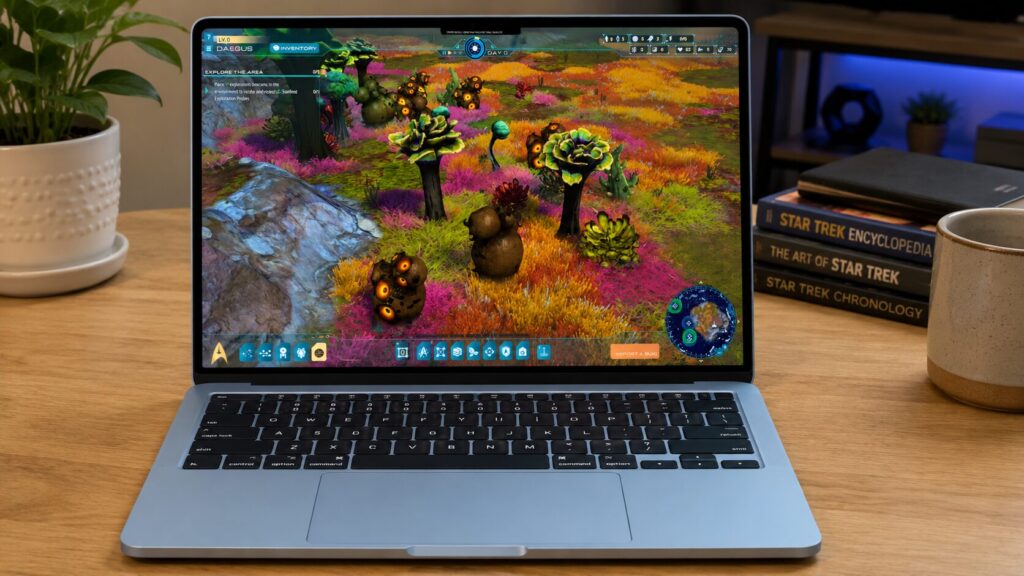
I tested the game on a MacBook Air M4 with 24GB of RAM running macOS 26.3. The game launches natively on Apple Silicon and, at least from my initial time with it, runs surprisingly well.

I played at 1600×900 using a mix of Medium and High graphics settings. Overall, performance felt responsive and perfectly playable. There were a few transitions that felt a little choppy, but nothing that made me want to stop playing or lower settings.

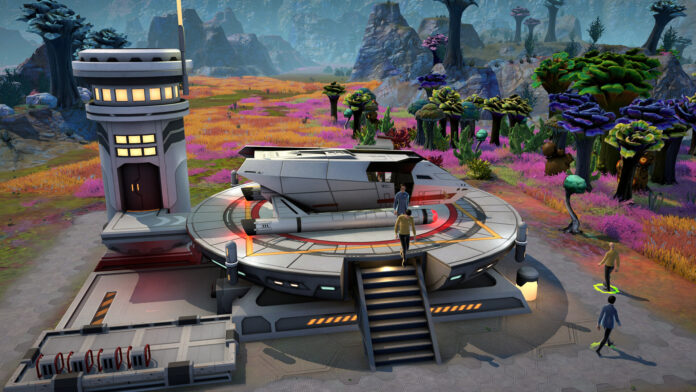
What surprised me most was how good the game looks. The environments are colorful, detailed, and unmistakably Star Trek. For a game that leans heavily into colony building and management mechanics, the visual presentation is much stronger than I expected.

A Familiar Face Welcomes You

One of the first things Star Trek fans will notice is the appearance of Admiral Robert April, a character many viewers will recognize from Star Trek: Strange New Worlds.

That immediately helped establish the setting and tone for me. This is very much a Strange New Worlds-era Star Trek game, and that’s not a bad thing.

With Season 4 of Strange New Worlds arriving this summer, it feels like a good time to be a Star Trek fan. While we’re waiting for Captain Pike and the Enterprise crew to return, Outposts Unknown gives us another opportunity to spend time in that era of the franchise.

The Biggest Challenge So Far

My biggest obstacle isn’t performance. It’s me. I’m not a heavy PC gamer. Most of my gaming happens on consoles. Give me a DualSense controller, an Xbox controller, or a Switch 2 Pro Controller and I’m immediately comfortable. Drop me into a keyboard-and-mouse game that expects me to navigate with ASDF keys and suddenly I feel like a cadet on their first day at Starfleet Academy.

The controls aren’t bad. They’re just unfamiliar to me. I suspect I’d be far more comfortable playing this on PS5, Xbox Series X, or eventually Switch 2 if the game makes its way there. And yes, before anyone asks, I know. Alien controls in a Star Trek game. The joke practically writes itself.

Could This Work on Switch 2?

That question kept popping into my head while playing. The game’s visual style feels like it could be a great fit for Nintendo’s new hardware, especially since colony builders and management games are fantastic portable experiences.

The bigger concern is the user interface. Even on my MacBook Air, I found myself wondering how some of the menus and information panels would translate to an 8-inch handheld display. It’s entirely possible the developers already have scalable interface options planned, but that’s something I’ll be paying close attention to if a Switch 2 version is announced.

Because honestly, this feels like exactly the kind of game I’d love to take on my daily commute.

Early Verdict

I’m not ready to score the game yet. I’ve barely scratched the surface of what Outposts Unknown has to offer, and I plan to spend much more time with it this weekend. What I can say is that my first impression is positive.

The game looks great on Apple Silicon. The performance on my MacBook Air M4 has been solid. The Strange New Worlds connection immediately grabbed my attention. And perhaps most importantly, it feels like the developers understand that Star Trek is about more than combat. It’s about exploration. It’s about discovery. It’s about venturing into the unknown. That’s exactly what I’m hoping to do when I sit down with the demo again this weekend.

It is also worth mentioning that Star Trek fans suddenly have more games to look forward to than we’ve had in years. Alongside Outposts Unknown, a second game was announced during Summer Game Fest: Star Trek: Shadow Frontier, a psychological horror adventure starring Ro Laren and featuring the return of Michelle Forbes in the role. As someone who loves horror games around Halloween, like Alien Isolation and Dead Space that one is definitely on my radar and I’ll be covering it closer to release. The idea of a Star Trek horror game sounds strange at first, but after seeing the trailer, I’m intrigued.

Earlier this year we also saw the release of Star Trek: Infection, a VR survival horror game that launched for VR headsets in March. Unfortunately, I don’t own a VR headset right now, so it’s sitting firmly in the “maybe someday” category for me. Still, it’s nice to see Star Trek experimenting with different genres instead of playing it safe. Whether it’s colony building, psychological horror, or virtual reality, the franchise finally seems willing to take some chances in gaming again.

For longtime fans, that’s probably the most exciting thing about all of this. Between Strange New Worlds returning this summer, Outposts Unknown arriving on PC and consoles in the future, Shadow Frontier on the horizon, and Star Trek: Infection already available for VR players, it feels like Star Trek gaming is finally waking up after a very long nap. And honestly, as someone who has been waiting years for Star Trek games that feel fresh and different, that’s a welcome sight.

Have you tried Star Trek: Outposts Unknown yet? Let us know what platform you’re playing on and what your first impressions are.

Strange New Worlds Season 4 is Quietly Building Toward the Most Important Friendship in Start Trek History

0

There is a specific kind of Star Trek moment that doesn’t announce itself with explosions or speeches. It shows up quietly, almost casually, in dialogue that seems simple on the surface but changes everything underneath it. The new Star Trek: Strange New Worlds Season 4 trailer is built almost entirely out of that kind of moment, and if you’ve been watching closely, you can feel the franchise positioning itself for something it has been delaying for years on screen.

The Enterprise is still flying. The missions are still episodic. Captain Pike is still at the center of it all. But underneath that familiar structure, something else is forming, and it is forming faster now.

Spock is starting to reach for Kirk.

The Trailer Isn’t Teasing Plot, It’s Teasing Destiny

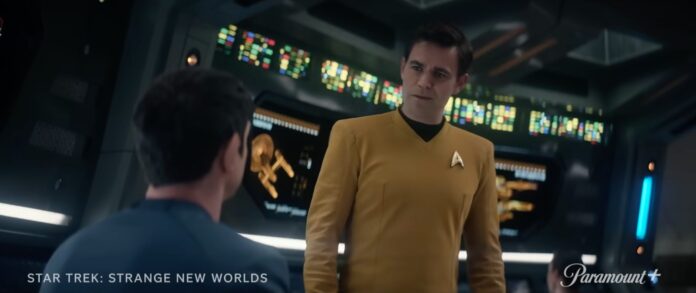
The headline detail from the new trailer is not a villain, not a battle, and not even a mission. It is Spock saying he has “hopes, dreams, fears” that he needs to talk about, and that James T. Kirk is the person he is meant to share them with.

On the surface, that reads like character development. In reality, it is something more deliberate. It is the show stopping just short of saying what every Star Trek fan already knows, which is that Kirk and Spock are not just colleagues who happen to serve on the same ship. They are one of the defining emotional pairings in science fiction history, and everything about this moment is pointing directly at the beginning of that bond.

What makes it hit harder is where we are in the timeline. This is not early Strange New Worlds anymore. This is a series that already knows it is ending soon, with Season 5 confirmed as the final chapter. That changes the language of every interaction. Nothing is exploratory for its own sake now. Everything is converging.

Kirk and Spock Are No Longer Parallel Lines

For most of Strange New Worlds, Kirk and Spock have existed as adjacent ideas rather than a unit. Kirk has been rising in prominence, Spock has been evolving in complexity, and the Enterprise has been functioning as a shared environment rather than a shared destiny.

That is no longer what the trailer is suggesting. What is starting to happen instead is alignment. Not just narrative overlap, but emotional dependency forming in real time. Spock identifying Kirk as the person he is “meant” to confide in is not just a friendship seed. It is the beginning of the structural relationship that will eventually define The Original Series and, by extension, the entire Star Trek franchise.

This is where long-time fans start to lean forward a little more. Because we already know where this ends up, but we rarely get to watch it being assembled with this level of intention.

Pike’s Enterprise Exists on Borrowed Time

Christopher Pike’s presence in this era of Star Trek carries a weight that is easy to underestimate until you sit with it. He is a captain whose future is already defined, already sealed, already unavoidable. That changes how every episode functions emotionally, even when the story itself is self-contained.

Pike’s Enterprise is not the final version of the ship. It is the last version before the myth begins. That is why the introduction and gradual elevation of Kirk matters so much. It is not just a casting or a legacy nod. It is transition architecture. The series is slowly shifting its gravitational center away from Pike and toward the version of Starfleet leadership that will define The Original Series.

The ship is not just exploring strange new worlds anymore. It is approaching its own historical handoff.

Why Kirk and Spock Still Matter More Than Everything Else

There is a tendency in modern franchise storytelling to assume that scale is what creates impact. Bigger threats, bigger visuals, bigger stakes. Star Trek has never really worked that way when it is at its best.

The Kirk and Spock relationship is proof of that. This is not a partnership built on similarity. It is built on contradiction that resolves into trust. Kirk is instinct and improvisation. Spock is logic and containment. One pushes forward without hesitation. The other evaluates before action. And somehow, together, they form a complete system of command and understanding that neither could achieve alone.

If you come from Star Trek: The Next Generation, you can see the lineage differently. Picard and Data echo the idea of emotional and analytical balance, but Kirk and Spock are more volatile, more personal, more mythic. They are not just colleagues in command structure. They are the emotional spine of an entire era of storytelling.

And if you go back to Star Trek II: The Wrath of Khan, that relationship becomes something else entirely. It becomes legacy-defining. It becomes sacrifice and loyalty pushed beyond logic and duty. It becomes Spock choosing meaning over survival and Kirk being forced to live with the cost of that choice.

That is the shadow hanging over everything Strange New Worlds is doing now.

The Most Interesting Thing Is What the Show Has Not Done Yet

What makes Season 4 feel different from earlier seasons is not that it is changing direction abruptly. It is that it has stopped pretending there is unlimited time to develop these relationships slowly.

There is a countdown now, whether it is spoken or not. Season 5 is the end. That means Season 4 is the beginning of the end of setup. The show cannot just continue building characters in isolation. It has to start locking them into their final forms.

That is why Kirk and Spock being pushed toward each other matters more than any individual episode premise. It signals that the show is no longer just expanding the Star Trek timeline. It is closing the gap between eras that fans have mentally kept separate for decades.

What This Is Really About

At its core, this is not just a prequel slowly catching up to canon. It is a controlled emotional transition from one version of Star Trek into another. From Pike’s more modern, reflective Enterprise into Kirk’s more iconic, myth-structured command style. From exploratory character building into established archetypes that fans already know by heart.

And the Kirk–Spock relationship is the hinge everything rotates on. Because once that relationship fully locks into place on screen, the tone of the entire series shifts. The Enterprise stops feeling like a ship experimenting with identity and starts feeling like the version that history remembers. The characters stop feeling like early drafts and start feeling like final definitions. That is the real anticipation heading into Season 4.

Not what they will discover on strange new worlds. But how long it takes before Kirk and Spock stop feeling like two characters sharing a ship, and start feeling like the most important friendship Star Trek ever created, forming in real time right in front of us.