


Depth of field is the range of distance in a photograph that appears sharp and in focus. Bokeh, on the other hand, refers to the quality and aesthetic of the blurred out-of-focus areas in a photograph. Both depth of field and bokeh are important elements in photography and can be used creatively to enhance the visual impact of an image.
Depth of Field
Depth of field is controlled by three factors: aperture, distance to subject, and focal length. Aperture is the opening in the lens through which light passes to reach the camera’s sensor. The wider the aperture, the shallower the depth of field will be. This means that the subject in focus will be sharp, while the background and foreground will be blurred. This effect is commonly used in portrait photography to isolate the subject and create a pleasing, creamy background blur.
Distance to subject also affects depth of field. The closer the subject is to the camera, the shallower the depth of field will be. This is why macro photography, which involves getting very close to the subject, typically has very shallow depth of field. Focal length, or the distance between the lens and the sensor, also plays a role. Longer focal lengths, such as 85mm or 100mm, will have shallower depth of field than shorter focal lengths, such as 24mm or 35mm.
Bokeh
Bokeh refers to the aesthetic quality of the blurred out-of-focus areas in a photograph. The quality of bokeh is determined by the shape and size of the aperture in the lens. A lens with a circular aperture will produce round, pleasing bokeh, while a lens with a more angular aperture will produce harsher, less attractive bokeh.
Bokeh can also be affected by the distance between the subject and the background. If the background is very far away from the subject, it will appear more blurred and create a smoother, creamier bokeh effect. If the background is closer to the subject, it may appear more defined and produce a more distracting, less attractive bokeh effect.
Using Bokeh in Photography
Bokeh can be used creatively in a variety of different photography genres. Portrait photography is perhaps the most common, as the shallow depth of field and pleasing bokeh effect can help to isolate the subject and create a more visually appealing image. Landscape photographers may also use bokeh to create a sense of depth and dimension in their images, by intentionally blurring elements in the foreground or background.
In street photography, bokeh can be used to create a sense of motion and activity in an image. By intentionally blurring people or objects in motion, the photographer can create a sense of energy and movement in an otherwise static image. In product photography, bokeh can be used to draw attention to a specific element or detail in the product, by intentionally blurring out the surrounding areas.
Using Bokeh in Video
While bokeh is typically associated with still photography, it can also be used creatively in video. Vloggers, in particular, may find bokeh useful in creating a more visually appealing and engaging video. By using a lens with a wide aperture, vloggers can create a shallow depth of field and pleasing bokeh effect, which can help to isolate the subject and create a more professional-looking video.
Best Cameras for Bokeh
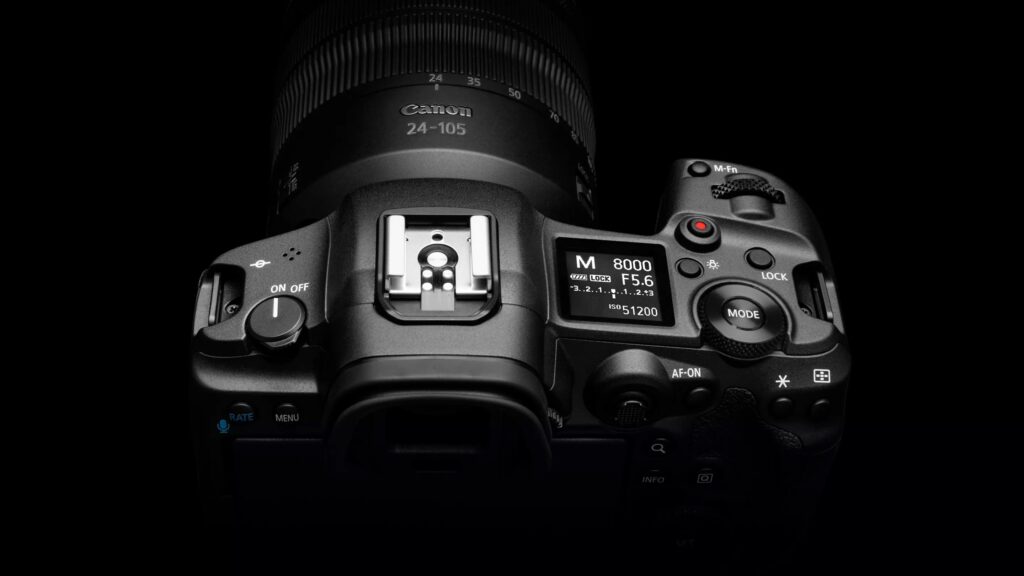


Canon and Sony both offer excellent digital cameras for capturing bokeh. The Canon EOS R5 is a mirrorless camera that boasts a full-frame sensor, allowing for excellent image quality and low light performance. Its RF mount lenses also offer excellent bokeh, particularly the RF 50mm f/1.2L USM lens.


The Sony a7 III is a popular choice for both stills and video, with a full-frame sensor and excellent autofocus capabilities. Additionally, Sony offers a variety of lenses with excellent bokeh, including the Sony FE 85mm f/1.4 GM lens and the Sony FE 135mm f/1.8 GM lens.


For vloggers, mirrorless cameras are a popular choice due to their compact size and excellent video capabilities. The Sony ZV-1 is a popular choice for vloggers, with a fast aperture and built-in ND filter for creating shallow depth of field and pleasing bokeh. The Canon EOS M50 Mark II is another excellent choice for vloggers, with a flip-out screen and fast autofocus for easy vlogging on the go.
Using Bokeh on iPhone


While the built-in camera on the iPhone may not have as much control over depth of field and bokeh as a dedicated camera, there are still ways to create a pleasing bokeh effect. The iPhone’s Portrait mode uses software to create a shallow depth of field and pleasing bokeh effect, particularly on newer models with multiple cameras. Additionally, third-party lens attachments such as Moment lenses can be used to create a more professional-looking bokeh effect on iPhone photos and videos.
In conclusion, understanding how depth of field and bokeh work can help photographers and videographers create more visually appealing and professional-looking images and videos. By using a combination of aperture, distance to subject, and focal length, along with considerations such as the shape and size of the aperture, photographers can create stunning images with pleasing bokeh effects. And with the wide range of cameras and lenses available today, there are options for photographers and vloggers of all skill levels and budgets to experiment with bokeh in their work.
More on Bokeh
Bokeh is that beautiful, out-of-focus blur that you see in the background of a lot of great photos. It’s like the icing on the cake, the cherry on top, the sprinkle on the cupcake…you get the idea. But how does it work?
Well, it all comes down to depth of field. Basically, depth of field is the range of distance in your photo that is in focus. And by adjusting your camera settings, you can control how much of your photo is in focus and how much is blurry bokeh goodness.
The first thing you’ll want to play around with is aperture. The wider the aperture (i.e. the lower the f-stop number), the shallower your depth of field will be. So if you want some beautiful bokeh, you’ll want to use a wide aperture. Simple, right?
But it’s not just about the aperture. The distance between your camera and your subject also plays a role in the depth of field. The closer you are to your subject, the shallower your depth of field will be. And of course, the opposite is true too – the further away you are from your subject, the deeper your depth of field will be.
Finally, focal length also plays a role in depth of field. The longer the focal length, the shallower your depth of field will be. So if you want some really intense bokeh, you’ll want to use a longer focal length.
Now, let’s talk about cameras. If you’re shooting with a Canon digital camera, you’ve got some great options for creating beautiful bokeh. The Canon EF 85mm f/1.2L II USM lens is a favorite among portrait photographers for its ability to create some truly stunning bokeh. And the Canon EOS R5 mirrorless camera is also a great choice for creating bokeh, with its fast autofocus and high-quality lenses.
If you’re shooting with a Canon digital camera, you’ll want to use a lens with a wide aperture, such as the Canon EF 50mm f/1.8 STM lens or the Canon EF 85mm f/1.8 USM lens. Set your camera to aperture priority mode and choose a low f-stop number, such as f/1.8 or f/2.8. This will create a shallow depth of field and beautiful bokeh. If you’re shooting in low light conditions, you may need to increase your ISO to get a properly exposed shot.
But if you’re more of a Sony fan, don’t worry – you’ve got options too. The Sony FE 85mm f/1.4 GM lens is a fantastic choice for creating beautiful bokeh, as is the Sony FE 135mm f/1.8 GM lens. And for vloggers, the Sony ZV-1 is a popular choice with its built-in ND filter and fast aperture.
For Sony cameras, the Sony FE 85mm f/1.4 GM lens or the Sony FE 50mm f/1.8 lens are great options for creating bokeh. Set your camera to aperture priority mode and choose a low f-stop number, such as f/1.4 or f/2.8. If you’re shooting in low light, you can also increase your ISO or use the camera’s built-in noise reduction features.
And what about iPhone users? While the iPhone doesn’t have as much control over depth of field and bokeh as a dedicated camera, you can still create some great effects with the built-in Portrait mode. And if you want to take things to the next level, you can try out third-party lens attachments like Moment lenses for even more control over your bokeh.
For iPhone users, the built-in Portrait mode is the easiest way to create a shallow depth of field and beautiful bokeh. Simply open the camera app, select Portrait mode, and snap your shot. For even more control over your bokeh, you can try out third-party lens attachments such as Moment lenses. And don’t forget to play around with your distance to the subject and background to create different bokeh effects.
Lighting Conditions and Bokeh
When it comes to lighting conditions, the best bokeh effects are often achieved in low light or indoor situations, where the background is darker and the subject is illuminated. But that doesn’t mean you can’t create beautiful bokeh outdoors in daylight! In fact, shooting in bright daylight can create some really interesting effects, with the bokeh appearing as bright, colorful circles in the background.
To achieve bokeh in bright daylight, you’ll want to use a fast shutter speed and low ISO to avoid overexposure. Use a low f-stop number, such as f/1.8 or f/2.8, and position your subject so that the background is further away. This will create a shallow depth of field and beautiful bokeh, even in bright daylight.
In low light conditions, you may need to use a higher ISO or a slower shutter speed to properly expose your shot. Be aware that using a higher ISO can increase the amount of noise in your photo, so you may want to use noise reduction features in post-processing to clean up your image.
To Bokeh, or Not to Bokeh?
Bokeh is best used when you want to create a visual separation between your subject and the background, drawing the viewer’s attention to the subject and creating a sense of depth in your image.
This effect is often used in portrait photography, where a shallow depth of field and beautiful bokeh can make your subject stand out and give your photo a professional look. Bokeh can also be used in macro photography, where you want to isolate a small subject against a blurry background, or in landscape photography, where it can add a dreamy, romantic feel to your shot.
Another great use for bokeh is in vlogging, where it can create a cinematic look and add visual interest to your videos. By using a wide aperture and a shallow depth of field, you can create a blurred background that adds depth and dimension to your shots, making your vlog look more polished and professional.
It’s worth noting that while bokeh can be a beautiful effect, it’s not always necessary or appropriate for every shot. Sometimes you may want to capture more of the scene in focus, or the background may be an important part of the story you’re trying to tell. In those cases, a larger depth of field and less bokeh may be the way to go.
Ultimately, the decision to use bokeh or not should be based on your creative vision and the story you want to tell with your photo or video. But when used effectively, bokeh can be a powerful tool for creating stunning, visually captivating images.

