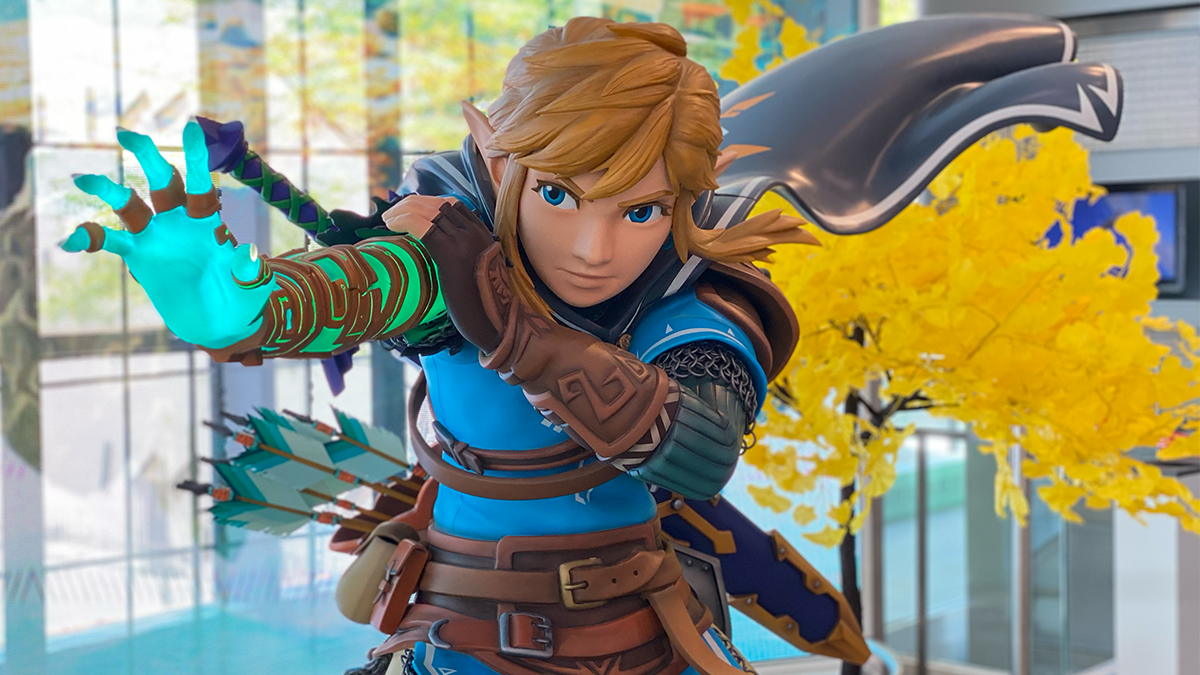
A new report from Wccftech, based on comments from insider Reece “Kiwi Talkz” Reilly, suggests Nintendo is preparing a familiar lineup to support its next generation of hardware. According to the rumor, projects tied to The Legend of Zelda, Metroid, and Super Smash Bros. are in development, with a rough window stretching between 2027 and 2028. As with most early reports, the details are still fluid, and not all of these titles are expected to be entirely new entries.
One important clarification from the source is that these projects could take different forms. Some may be full new releases, while others could be remasters, enhanced editions, or smaller-scale spin-offs designed to keep these franchises active between major launches. That approach would align with Nintendo’s recent strategy, which has leaned heavily on revisiting older titles while spacing out its biggest flagship releases.
A Familiar Playbook, With a Twist
Nintendo relying on Zelda, Metroid, and Smash is not surprising. These are foundational franchises that have consistently defined each hardware generation. What stands out here is the timing and potential mix of content, which suggests Nintendo may be planning a more staggered rollout rather than clustering major releases too closely together.
This kind of spacing allows Nintendo to maintain momentum without overloading any single year. It also gives room for remasters and upgrades to fill gaps between larger projects, something the company has done effectively on the original Switch. Releases like Metroid Prime Remastered and other updated classics have shown there is still strong demand for polished returns to older titles.
Not Every “New” Release Needs to Be New
If part of this lineup includes remasters or enhanced editions, that would be consistent with how Nintendo has handled its catalog over the past several years. Instead of rushing out entirely new entries, the company has often revisited existing games and given them a second life on newer hardware.
That strategy serves multiple purposes. It introduces classic games to new audiences, keeps development cycles manageable, and ensures that major franchises remain visible even when full sequels are years away. In many cases, these releases have been well received, especially when they strike the right balance between preservation and modernization.
Where This Leaves the Next Generation
If the rumor holds, Nintendo’s next system could launch into a steady pipeline rather than relying on a single breakout title. Zelda anchoring a later window, Metroid continuing its resurgence, and Smash remaining active in some form would create a consistent presence across multiple years.
At the same time, the mix of new content and revisited titles raises interesting questions about how these games will be packaged and delivered. Nintendo has historically been more consistent than most when it comes to shipping complete experiences, but modern game sizes and expectations have made that more complicated. Any adjustments behind the scenes, including how games are stored and distributed, will likely play a quiet but important role in how these releases land.
The Bigger Picture
For now, this remains a rumor, and timelines can shift quickly in game development. Still, the outline presented by Wccftech lines up with broader trends in how Nintendo has been operating. A mix of flagship releases, strategic remasters, and staggered scheduling gives the company flexibility while keeping its biggest franchises in rotation.
Whether these projects arrive exactly as described or evolve into something different, the direction is clear. Nintendo is not reinventing its playbook, but it is refining it. And if this lineup takes shape, it will likely define the early identity of its next generation just as clearly as it has in the past.