

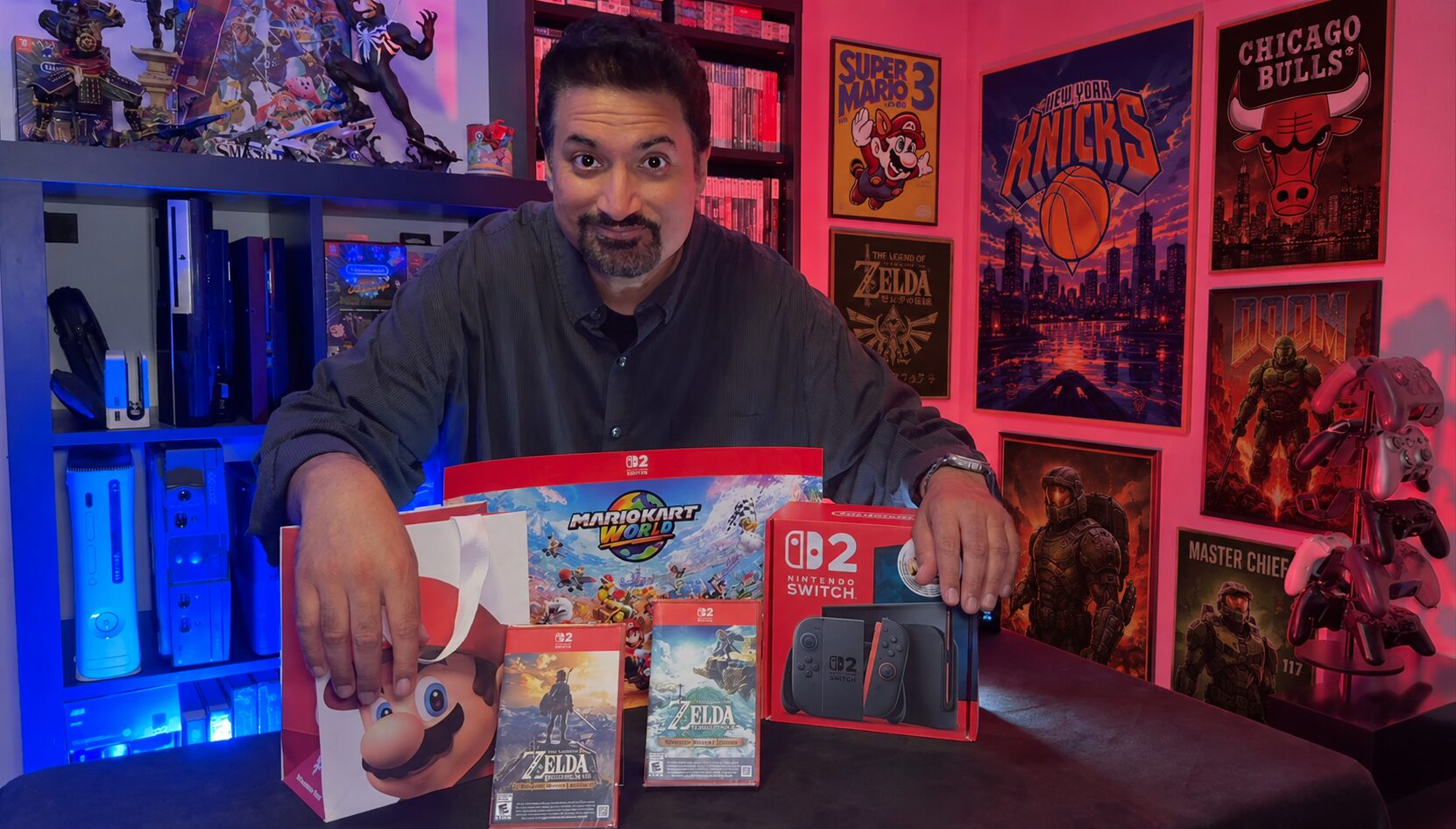
Playing the Switch 2 for a year has been weird, because it’s not one of those systems I just respect from a distance. It’s not sitting there like some expensive piece of tech I’m supposed to admire when I have time. It’s in my backpack, charged, case having taken a beating from real use, and ready to save me from the part of the day where New York tries to drain the life out of schmucks like me.
I’ve got about 90 minutes each way on my commute. That’s not a cute little ride. That’s real time, and I’m not giving all of it away to TikTok, Insta, bad 5G, and whatever nonsense happened on the train that morning….And god damn if someone spills their friggin coffee on the seat next to me one more time. What the hell is wrong with you people with the paper cups of coffee. Invest in a friggin Yeti Rambler you jamoke….stay calm….serenity now….If I’m not working, blogging, planning something for AsWellToo, or thinking through DynoCalc ideas, there’s a pretty good chance I’m on the Switch 2.
That’s why the system matters to me. It’s not just because it’s more powerful, even though that obviously helps. It’s because the extra power makes the whole idea work better. The games load faster, feel smoother, look sharper, and in docked mode, they can actually hold up on the TV instead of feeling like you’re blowing up a handheld image and hoping nobody notices.
The Switch 2 Makes Portable Gaming Feel Less Like a Tradeoff
The whole promise of the Switch was always simple. Take your games anywhere. Great idea. Genius idea, honestly. But the problem with portable gaming is that “portable” can turn into “yeah, but” real fast.
Yeah, but the frame rate gets rough. Yeah, but the screen makes everything look cramped. Yeah, but the docked version doesn’t look great on the big TV. Yeah, but the big games feel like they’re running with one shoe tied. That’s the kind of stuff that doesn’t matter in a trailer, but it matters when you’re tired, commuting, and trying to squeeze real gaming into the cracks of a normal adult day.
The Switch 2 cuts down on those “yeah, but” moments. It doesn’t make every game magically perfect, but it makes a lot more games feel like they belong in your hands. That’s the difference. I don’t want to spend my commute babysitting a compromised version of a game. I want to play, make progress, and feel like the time counted.
GTA Trilogy Finally Makes Sense as a Commute Game
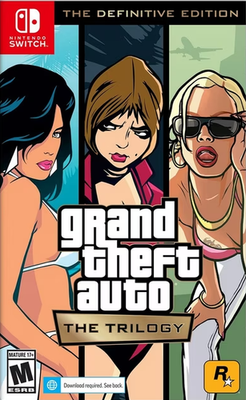
The Grand Theft Auto Trilogy has had a messy history, and I’m not going to sit here and pretend it launched like some perfect museum-quality collection. Everybody knows that release had baggage. But on Switch 2, it becomes something different for me, because the smoother performance makes it easier to just fall into those worlds instead of constantly noticing the seams.
GTA needs flow. Driving through Vice City, whipping around corners, getting into trouble, messing up a mission, restarting, getting distracted by the radio, and then doing the mission anyway is the whole rhythm. When the game feels smoother and steadier, the rhythm works better. It’s not about pretending these games are new. It’s about making them easier to live with now.
Vice City especially hits because that game has a mood. The colors, the music, the fake-Miami heat, the whole early-2000s chaos of it all still works. On Switch 2, I can jump in for one mission, or just drive around until the train gets where it’s going. That’s when a game becomes dangerous, because it stops being something I plan to play later and turns into something I actually play.
Assassin’s Creed Shadows Fits My Real Gaming Life
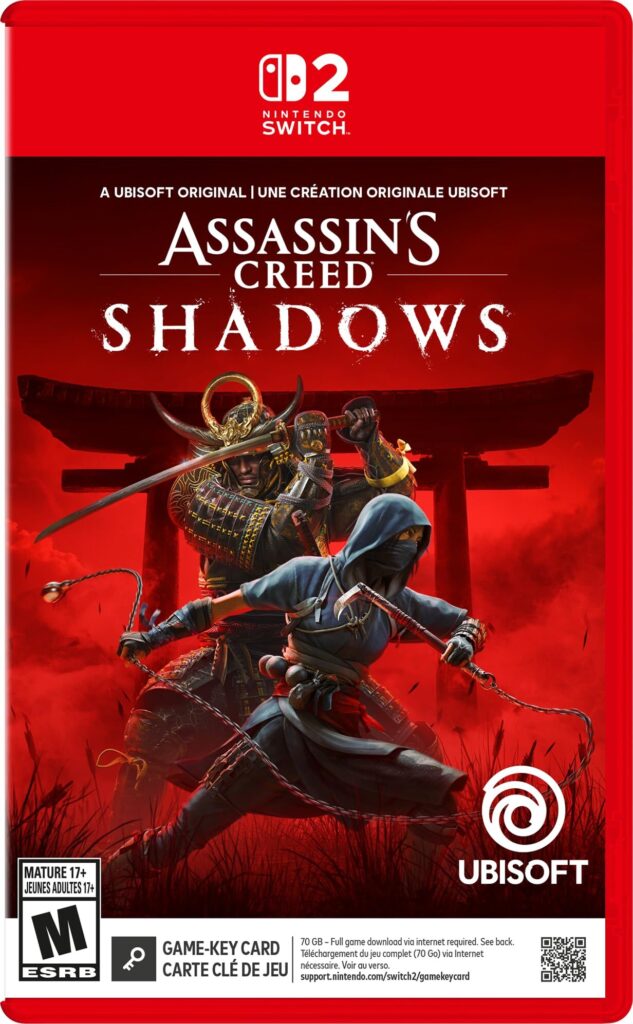
Now before you all roast me for buying a game key card, hear me out. This one is an exception.
Assassin’s Creed Shadows is one of the big reasons the Switch 2 feels like it’s playing in a different league. This is the kind of game I used to automatically think of as a PlayStation game first. I’d play it at home, chase trophies, maybe put 120 hours into it, and then portable play would be some separate thing that didn’t really count.
That’s not how I want to play anymore. I still care about trophies on PS5, and I still want that big-screen PlayStation version when I’m home. But I also don’t want my commute to be dead time. With cross-progression, I can grind, explore, clear side content, and keep the story moving on Switch 2, then jump back into PS5 later where the trophies automatically pop and the full living-room experience is ready and waiting.
That only works if the game feels good enough to play in handheld mode, and that’s where the Switch 2 makes the difference. Assassin’s Creed is all movement and decision-making. You’re climbing, sneaking, tracking enemies, fighting, running away because you got cocky, and then pretending that was the plan all along. When the controls feel responsive and the world holds together better, it stops feeling like a novelty and starts feeling like a real way to play.
Do I wish this was a complete game on cart? Of course I do. But the trophies bro! This one let’s me virtually take my PS5 game with me on my commute.
Black Flag Still Has That “One More Thing” Problem
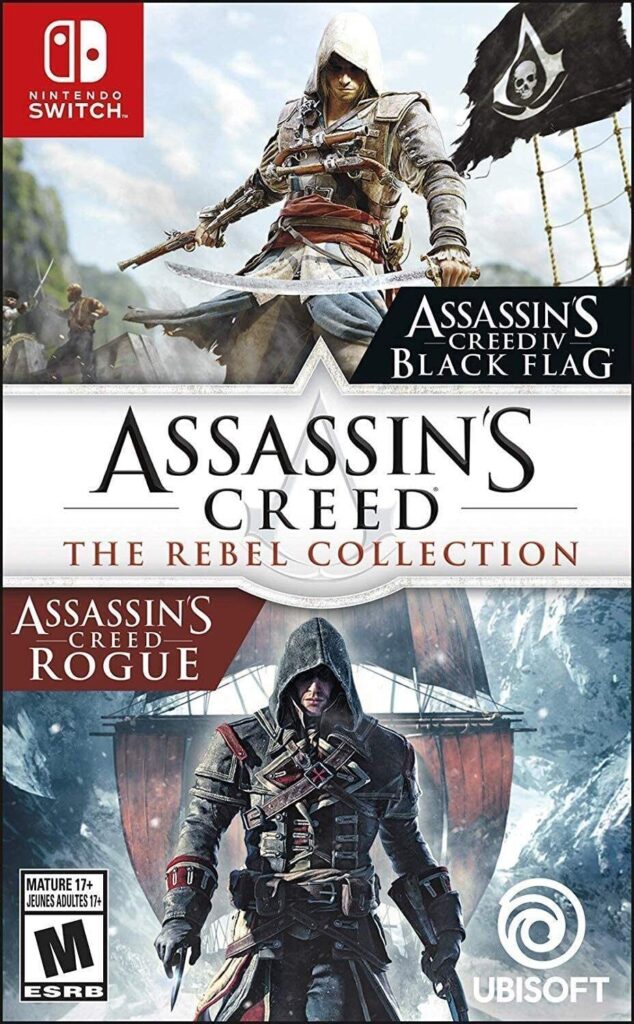
Assassin’s Creed IV: Black Flag is one of those games that lies to you. You tell yourself you’re going to play for 15 minutes. You’ll just sail a little, maybe clear one objective, maybe grab one collectible. Then an hour disappears because you saw a ship, then a treasure map, then an island, then another ship, and now you’re somehow deep into pirate errands like you don’t have anything else going on.
That’s why it works so well on Switch 2. Black Flag is all about movement and atmosphere. Sailing needs to feel smooth. Climbing needs to feel clean. The camera needs to keep up. The world needs to look sharp enough that the ocean still feels like an ocean and not a blurry blue sheet with boats on it.
In handheld mode, it becomes one of the best commute games because you can make progress in short bursts. Docked, it still has that big adventure feel, especially when the image is sharper on the TV. It’s almost like the Switch 2 reminds you why this game was special in the first place, then makes it easier to keep playing today.
Mario Kart Is Still Built for the Room
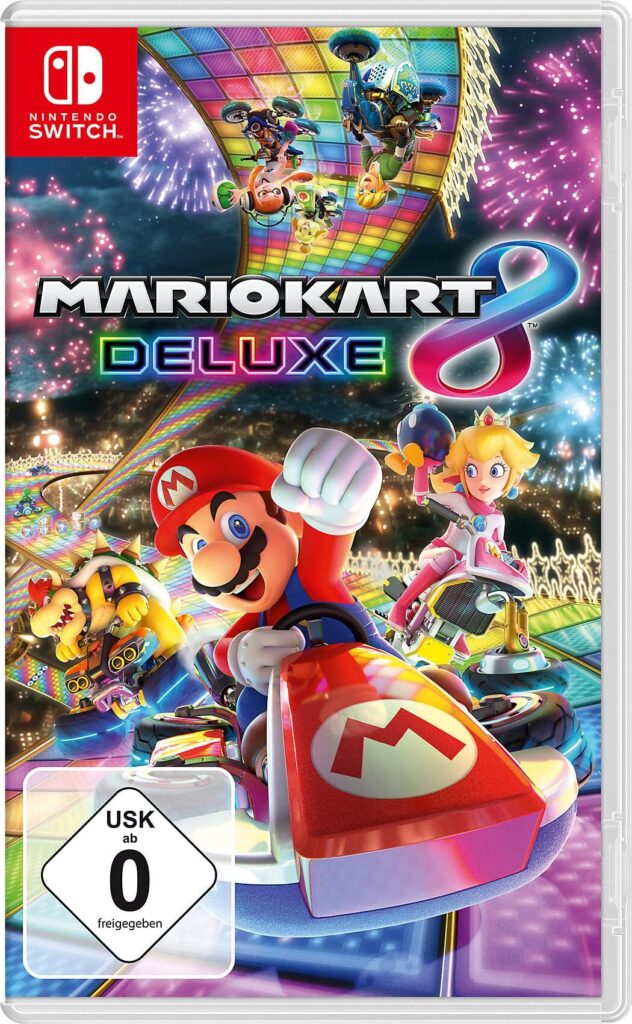
Mario Kart World and Mario Kart 8 Deluxe both belong on my Switch 2, and I know that sounds like too much Mario Kart, but it really isn’t. Mario Kart doesn’t work like normal games. You don’t finish it, uninstall it, and move on with your life. Mario Kart lives in the house.
Mario Kart 8 Deluxe is still the safe bet because everybody knows it. Family comes over, controllers come out, and nobody needs a lesson. That’s where docked mode and 4K output matter. This is a room game. People are watching the TV, yelling about items, blaming the game, blaming each other, and acting like the blue shell was a personal attack. The cleaner image and smoother feel make that whole family-room experience better.
Mario Kart World is the fresh chaos. It’s the one that makes the Switch 2 feel like it has its own lane instead of just being the stronger machine that plays older games better. Having both on the system makes sense to me because one is comfort food and one is the new toy. Depending on the night, either one can take over the TV.
Donkey Kong Bananza Feels Like Nintendo Showing Off
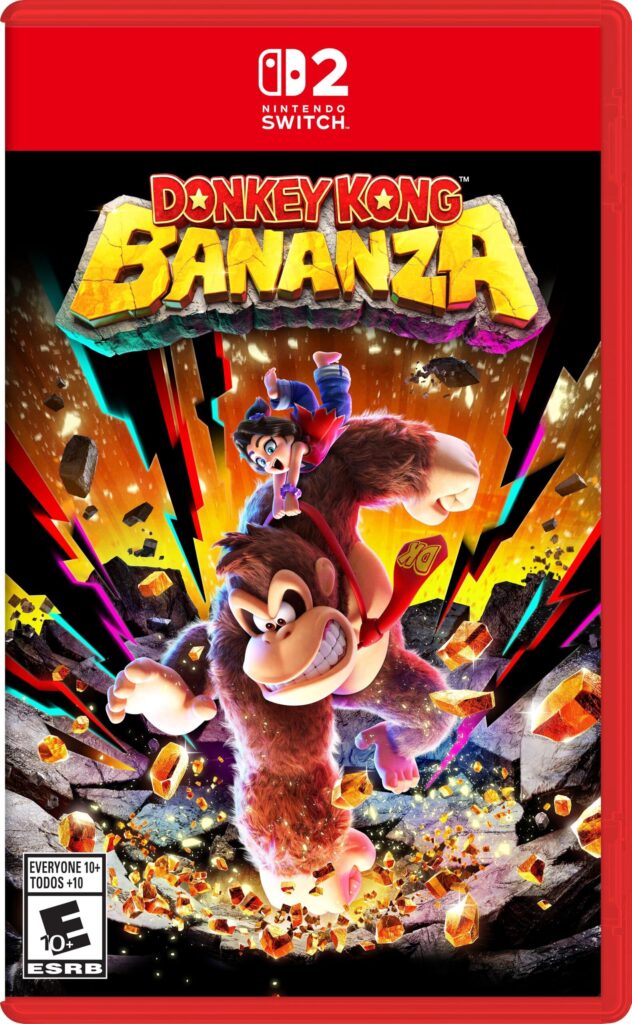
Donkey Kong Bananza is the kind of game that explains the hardware upgrade without needing a chart. You don’t need somebody to point at numbers and tell you why it matters. You feel it when the game starts moving. It’s big, colorful, physical, and built around smashing through the world like Donkey Kong finally got room to stretch.
That kind of game needs responsiveness. If you’re breaking stuff, punching through environments, reacting to movement, and bouncing from one idea to the next, the system can’t feel like it’s dragging behind you. On Switch 2, the action has more snap, the world feels cleaner, and the destruction feels like it’s part of the fun instead of something the hardware is barely surviving.
Docked mode gives it that showpiece quality. It’s the kind of game you put on the TV and immediately understand why Nintendo still gets away with being Nintendo. Handheld mode is perfect for the commute because it doesn’t ask for some deep emotional preparation. You turn it on, smash stuff, move fast, and your brain wakes up a little.
Zelda at 60 FPS Is the Upgrade That Sells Itself
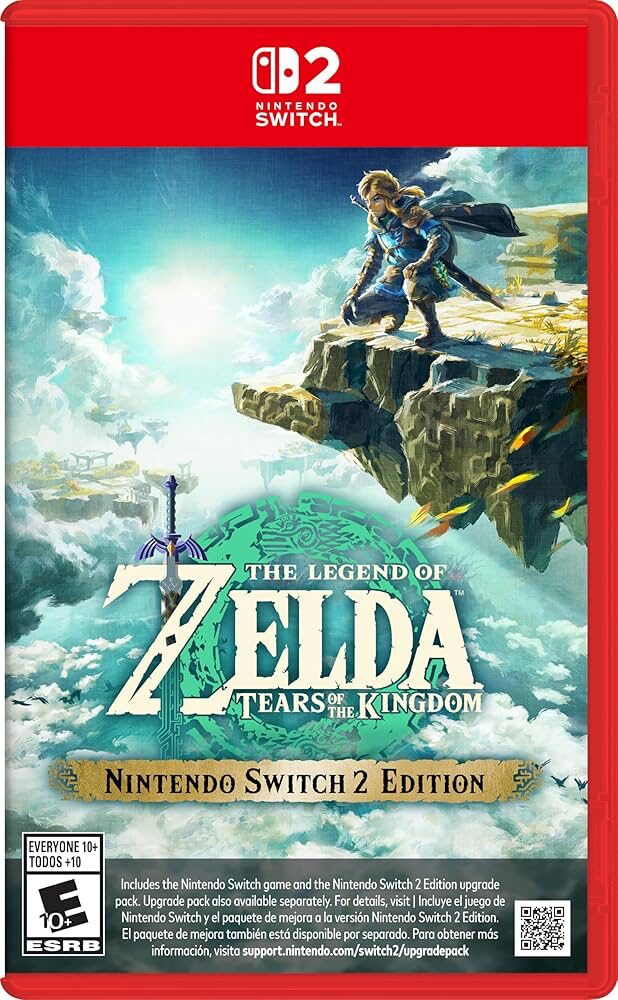
Breath of the Wild and Tears of the Kingdom at 60 FPS are almost unfair. These games were already huge, but it’s almost like the Switch 2 gives them a second life. Not in some dramatic marketing way. I mean in the simple way that movement feels better, and when movement feels better in Zelda, everything feels better.
Breath of the Wild is all about quiet exploration. Climbing a mountain, gliding across a valley, riding through a field, spotting something weird in the distance, and deciding to ignore your actual objective because that thing over there looks interesting. When that all runs smoother, the whole world feels easier to sink into. The game gets out of your way more often.
Tears of the Kingdom benefits even more because that game has so much going on that it still feels impossible. The building, flying, physics, sky islands, depths, caves, and ridiculous player inventions all feel better when the frame rate is smoother. It’s almost like the game can finally stretch its legs the way it always wanted to.
Indie Puzzle Platformers Are My Brain Food
This is where the Switch 2 hits my personal taste the hardest. I love indie puzzle platformers. Inside, Limbo, Planet of Lana, Gris, Ori, Little Nightmares, Animal Well, and all those strange little games that make you slow down, look around, notice patterns, and actually think for a minute. That’s my lane.
Animal Well is a perfect example because it’s not trying to impress you with size. It’s not screaming at you. It’s not throwing a giant cutscene in your face every five minutes. It’s quiet, weird, tense, clever, and full of those little moments where your brain finally connects two things and you feel like a genius for about eight seconds.
On Switch 2, those games benefit from polish in a way people might overlook. A cleaner screen matters. Smoother movement matters. Better responsiveness matters. In a puzzle platformer, one jump, one timing window, one visual clue, or one tiny detail can change the whole experience. When the system makes that feel better, the game gets better too.
Playing Is Better Than Turning Into Commute Mush
I’m not a doctor, and I’m not going to pretend the Switch 2 is a medical device. But I do believe there’s value in keeping your brain active, curious, flexible, and challenged. Especially when the alternative is letting your attention span get mugged by TikTok for three hours a day.
Games ask something from you. Mario Kart works reaction time. Zelda works spatial thinking. Puzzle platformers work observation and logic. Assassin’s Creed and GTA work memory, navigation, planning, and improvisation. Even when I’m just playing to relax, my brain is still doing something.
That matters to me. I don’t want the commute to just be this dead zone where my mind gets softer every day. I’d rather write, read, plan, or play something that makes me react and think with my hands. That feels like a better use of the time, and honestly, it makes the ride feel less like the city won.
Now Give Me Stellar Blade Physical
The Switch 2 game I keep thinking about is Stellar Blade. I want that game portable badly, but I want it done right. And for me, “done right” means a proper physical version.
Not a code-in-a-box. Not a fake physical release where the case is basically decorative. I mean a real physical copy that belongs on the shelf. I still care about that. I like owning the thing, collecting it, preserving it, lending it, and knowing the version I bought isn’t just a tile on a digital storefront.
Switch 2 has already shown it can make bigger games feel realistic on a portable system. Now the physical side has to keep up. If Stellar Blade gets a real Switch 2 physical release, that’s probably an instant buy for me.
The Honest Problem Is That I Want More
The only real problem with the Switch 2 one year later is that now I’m greedy. Once you get used to smoother performance, sharper visuals, better handheld play, and stronger docked output, you start looking at every game and thinking, “Okay, where’s the Switch 2 version?”
That’s a good problem, but it’s still a problem. I want more upgrades. I want more physical releases. I want more big games with cross-progression. I want more indie games that take advantage of the cleaner screen and smoother feel. I want publishers to stop treating portable players like we’re asking for the impossible.
And yeah, I want Nintendo to keep pushing too. Don’t just give me power and then play it safe. Give me weird stuff. Give me polished stuff. Give me games that feel good in the hands first, because that’s the thing Nintendo still understands better than almost anybody.
One Year Later, This Thing Fits My Life
One year later, the Switch 2 has earned its spot because it fits the way I actually live. I don’t always have a quiet room, a free night, and two hours to disappear into a game. What I do have is a long commute, a backpack, a backlog, a family room, and a brain that still wants to stay sharp.
That’s the real win. Switch 2 didn’t replace my PS5, my Xbox, or my love of physical media. It filled the gaps between them. It gave me a way to play big games, small games, family games, weird games, old favorites, and new obsessions in places where gaming used to disappear.
So yeah, one year later, this thing works. It turns a train ride into Hyrule, a delay into Vice City, a family night into Mario Kart chaos, and a tired ride home into one more chance to actually play. That’s not just better hardware. That’s a console that understands the way I game now.
Buy the Games and Gear Mentioned Here
As an Amazon Associate, AsWellToo may earn from qualifying purchases. These links help support the site, future reviews, and the projects we keep building here, at no extra cost to you.
- Nintendo Switch 2 Console on Amazon
- Grand Theft Auto: The Trilogy – The Definitive Edition on Amazon
- Assassin’s Creed Shadows on Amazon
- Assassin’s Creed IV: Black Flag on Amazon
- Mario Kart World on Amazon
- Mario Kart 8 Deluxe on Amazon
- Donkey Kong Bananza on Amazon
- The Legend of Zelda: Breath of the Wild on Amazon
- The Legend of Zelda: Tears of the Kingdom on Amazon
- Animal Well on Amazon
- Stellar Blade on Amazon

